By Cali Dream Construction ·
San Diego ·
April 20, 2026 ·
8 min read
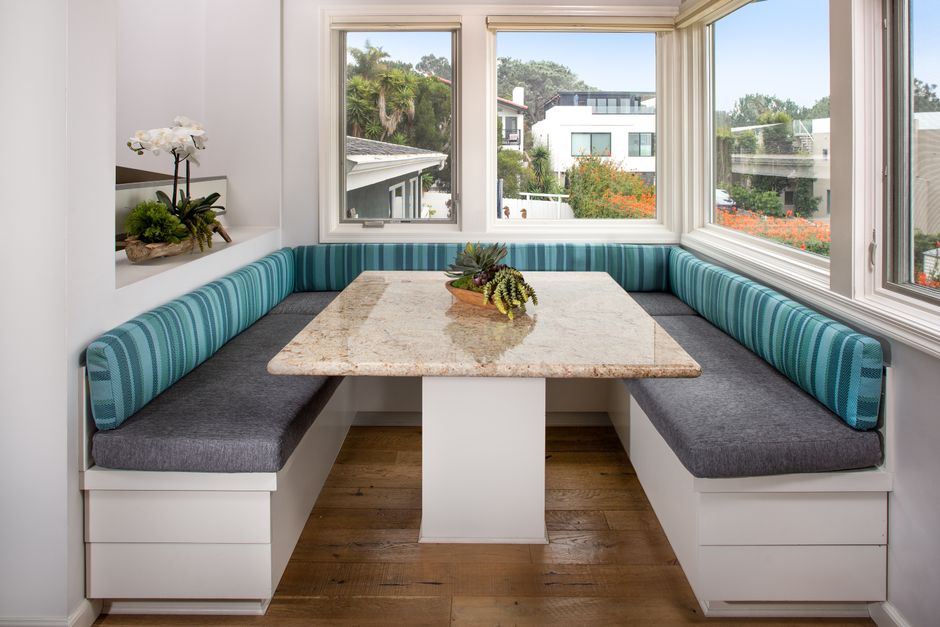
Photo by ASR Design Studio
What You'll Learn
Key considerations for Kitchen Remodel in San Diego
Cost factors and budget planning tips
Timeline expectations for San Diego projects
How to choose the right contractor
Condo & HOA Kitchen Remodeling in San Diego, California: Approvals, Work Hours, and Smooth Projects (2026)
Cali Dream Construction | Design-Build General Contractor
Call/Text:PUT-YOUR-PHONE-HEREEmail: PUT-YOUR-EMAIL-HERE
Website:PUT-YOUR-WEBSITE-HERELicense: Licensed & Insured General Contractor (CA).
Service area: Serving San Diego County and surrounding areas.
Last updated: January 2026
Condo and HOA kitchen remodels are absolutely doable in San Diego. They just require a different kind of planning.
In a single-family home, you can focus mostly on design, permits, and schedule. In a condo or managed community, you also have:
shared walls and neighbors
restricted work hours
elevator reservations and loading rules
parking constraints
HOA approval packets and insurance requirements
This guide is built to help homeowners avoid the most common condo/HOA pain points—so the project stays clean, calm, and predictable.
They feel harder because the build isn’t the only “system” you’re navigating. You’re also navigating a building’s operations and neighbor expectations.
A clean condo remodel plan usually has three layers:
1. Your design + scope (layout, cabinets, countertops, lighting, etc.)
2. City compliance (permits and inspections when required)
3. Building compliance (HOA rules, work hours, elevator use, protection, insurance)
When one of these layers is ignored, projects become stressful fast.
If you want the big-picture roadmap for Kitchen Remodeling in San Diego, start here:
(See: 01-hub-guide.md)
---
The typical HOA approval flow
Photo by HONG SON via Pexels
Not every building follows this exact sequence, but the structure is similar.
Practical tip
Do not order cabinets or specialty materials until you understand HOA lead times.
Some approvals are quick. Others require board review on a set calendar.
---
What HOAs usually care about
Every HOA has its own language, but these are common requirements in San Diego condo communities.
Work hours and day restrictions
HOAs often restrict:
start times and end times
weekend work
delivery windows
If you work from home or have neighbors who do, this matters more than you’d think.
Insurance and contractor credentials
Many HOAs require:
certificate of insurance (COI) naming the HOA or building as additional insured
contractor license information
a clear scope summary and schedule
Protecting common areas
This includes:
elevator protection
hallway floor protection
debris removal routes
staging limits (no materials stored in hallways)
Plumbing and water shutoffs
Some buildings require:
scheduled water shutoffs
licensed plumbing work only
specific procedures for dishwasher connections or sink changes
Scheduling realities: work hours, elevators, and parking
A condo remodel schedule is not just “construction time.” It’s “construction time plus logistics.”
Elevator reservations and loading
Many buildings require:
reserved elevator times for deliveries
padded elevator interior protection
a loading plan that doesn’t block residents
Parking constraints
If parking is limited, material delivery planning becomes critical. In neighborhoods like La Jolla and North Park, parking can be tight even outside HOAs.
What this means for homeowners
The smoother the logistics, the less your project disrupts:
your neighbors
your building manager
your own day-to-day routine
A contractor who plans logistics is a contractor who protects your timeline.
---
Deliveries and material storage (the hidden schedule driver)
On paper, deliveries sound simple: cabinets arrive, countertops get templated, appliances show up. In condos, the delivery plan is often the difference between a calm project and a constant scramble.
Questions to ask your building manager early
Where can delivery trucks park, and for how long?
Is there a loading dock or a specific entry point for materials?
Are there restrictions on pallet drops or large crate deliveries?
Are elevator reservations required for deliveries (and how far in advance)?
Where can materials be stored temporarily (inside unit only, or staging allowed)?
Are there rules for dumpsters or debris bins?
Why this affects your kitchen design
If storage space is limited, it may be smarter to:
stage materials in smaller batches
avoid ordering everything at once
plan cabinet installation sequencing carefully
This planning prevents schedule pauses where your team is “ready” but the building isn’t.
---
Planning a temporary kitchen while you remodel
Even if you’re not living in the unit, it helps to plan a “minimum viable kitchen.” If you are living there, it’s essential.
A simple temporary kitchen setup
A small table or counter surface for prep (garage, dining area, or spare room)
A microwave or toaster oven (if allowed and safe)
A coffee station with a power strip (used responsibly)
A dishwashing plan (bathroom sink, laundry sink, or disposable—depending on your preferences)
Clear walking paths to reduce trip hazards during construction
Protecting your condo during the build
Ask your contractor how they handle:
floor protection from entry to kitchen
dust control barriers
daily cleanup and debris removal
keeping common areas clean on delivery days
The goal is to keep the condo functional enough that the remodel doesn’t take over your life.
---
Noise, dust, and protecting common areas
Condo projects live or die by jobsite habits.
The “livability” mindset
Even if you’re not living in the unit during the remodel, your neighbors are living next to it. That means:
daily cleanup isn’t optional
dust control matters
trash removal must be planned
Common-area protection
A professional condo remodel should include:
floor protection from entry to kitchen
sealed pathways (where needed) during heavy demo
daily trash removal (not “pile it and hope”)
clear communication with management on delivery days
If you’ve heard condo remodel horror stories, they usually start with poor cleanliness and poor communication—not with the tile choice.
---
Plumbing and ventilation constraints in multifamily buildings
This is where condo reality differs most from single-family homes.
Plumbing stacks and fixed drain locations
In many buildings, drain and vent stacks are fixed. Moving a sink far from its original location can become complicated. That doesn’t mean impossible—it means:
verify feasibility early
budget time for coordination
avoid ordering cabinets until routes are confirmed
Ventilation limitations
Some condos have limited venting options. If you’re upgrading a range hood, confirm:
where it can vent (if at all)
whether recirculating is the only option
what the HOA allows for exterior penetrations
If your remodel includes changes that may affect permits or inspections, use the permits guide as a reference point.
(See: 03-permits-rules.md)
---
Permits: city requirements vs HOA rules
A key concept:
HOA approval is not a building permit.
And a building permit (when required) doesn’t override HOA rules.
How to avoid problems
Confirm your jurisdiction (some areas are City of San Diego; others are different cities or unincorporated county).
Confirm what work triggers permits (electrical changes, plumbing moves, wall changes, venting changes, etc.).
Submit HOA packets with clear scope and contractor info—early.
And if you want the most common homeowner mistakes (many apply doubly in condos):
(See: 04-mistakes-avoid.md)
CTA: If you’re remodeling a condo in La Jolla, North Park, or elsewhere in San Diego and want a calm plan, Call or text PUT-YOUR-PHONE-HERE for a fast, detailed estimate.
How to get an estimate (the fast, practical way)
For condo projects, the estimate process goes faster when you can share HOA rules (work hours, insurance requirements, elevator rules) and any building remodel packet templates. We’ll build the scope around those constraints.
To get a kitchen remodel estimate that’s actually useful (not a vague guess), prepare:
A few photos of the existing kitchen (wide shots + close-ups of problem areas)
Your address and neighborhood (for access/parking and local jurisdiction)
A short “must-have” list (examples: more prep space, bigger pantry, better lighting, induction-ready power)
Anything you already selected (appliance model numbers, cabinet style, countertop material)
We’ll set a site visit, confirm scope, and provide a written proposal aligned with your priorities.
Who we are
Condo remodels require more coordination than most homeowners expect. We plan for approvals, protection, and scheduling from the start so the project runs smoothly for you—and for your neighbors.
Cali Dream Construction is a Design-Build General Contractor serving San Diego, California. We handle the planning and the build so your kitchen remodel stays coordinated from design decisions to final inspection.
What homeowners tend to value about our approach:
Design-build process (planning and construction under one roof)
Clear scope, transparent pricing, and realistic timelines
Permit-aware planning and inspection-ready workmanship
Clean jobsite habits and consistent communication
What happens next
If you want help turning ideas into a buildable plan, here’s the typical next step-by-step:
1. Call or text:PUT-YOUR-PHONE-HERE
Tell us what you’re changing (layout, cabinets, counters, flooring, lighting, etc.) and what matters most (timeline, budget range, durability, resale, or day-to-day function).
2. Site visit in San Diego: We measure, look at existing conditions, and flag potential constraints (out-of-plumb walls, older wiring, slab plumbing, HOA rules, access/parking).
3. Scope definition: We translate your goals into a clear scope—what’s included, what’s excluded, and what choices still need selections.
4. Timeline discussion: We lay out realistic phases and decision deadlines so you know when cabinet/appliance choices must be locked.
5. Written proposal: You receive a written proposal that matches the defined scope and reflects permitting needs if applicable.
If you have HOA forms or a building contact, we’ll incorporate those requirements into the proposal so the approval process is straightforward and you’re not resubmitting paperwork mid-project.
Trust & practical safeguards (what to look for)
In shared buildings, trust is about professionalism: licensed and insured work, permit awareness, clean jobsite habits, and communication that keeps building management informed.
Licensing: Licensed & Insured General Contractor (CA). (and we encourage homeowners to verify any contractor’s license status before signing).
Insurance: Ask for current proof of general liability and—when applicable—workers’ comp coverage.
Permit awareness: We plan work to be inspection-ready and coordinate with City of San Diego Development Services Department (or equivalent local building office) (and/or the appropriate city) when permits are required.
Cleanliness: Dust control, floor protection, and a jobsite that’s left in livable condition at the end of the day.
Communication: Clear points of contact and regular updates so you’re not guessing what’s happening next.
---
Cali Dream Construction | Design-Build General Contractor
Call/Text:PUT-YOUR-PHONE-HEREWebsite:PUT-YOUR-WEBSITE-HERELicense: Licensed & Insured General Contractor (CA).
Serving San Diego County and surrounding areas.
Frequently Asked Questions
How much does Kitchen Remodel cost in San Diego?
The cost of Kitchen Remodel in San Diego varies based on scope, materials, and labor. Contact us for a personalized estimate.
How long does a Kitchen Remodel project take?
Most Kitchen Remodel projects in San Diego take 4-12 weeks depending on complexity. We provide detailed timelines during consultation.
Do I need permits for Kitchen Remodel in San Diego?
Many Kitchen Remodel projects require permits in San Diego County. We handle all permitting as part of our design-build service.
Why choose Cali Dream Construction?
We're a licensed design-build contractor (CSLB #1054602) with a focus on quality craftsmanship and transparent pricing.