By Cali Dream Construction ·
San Diego ·
April 17, 2026 ·
9 min read
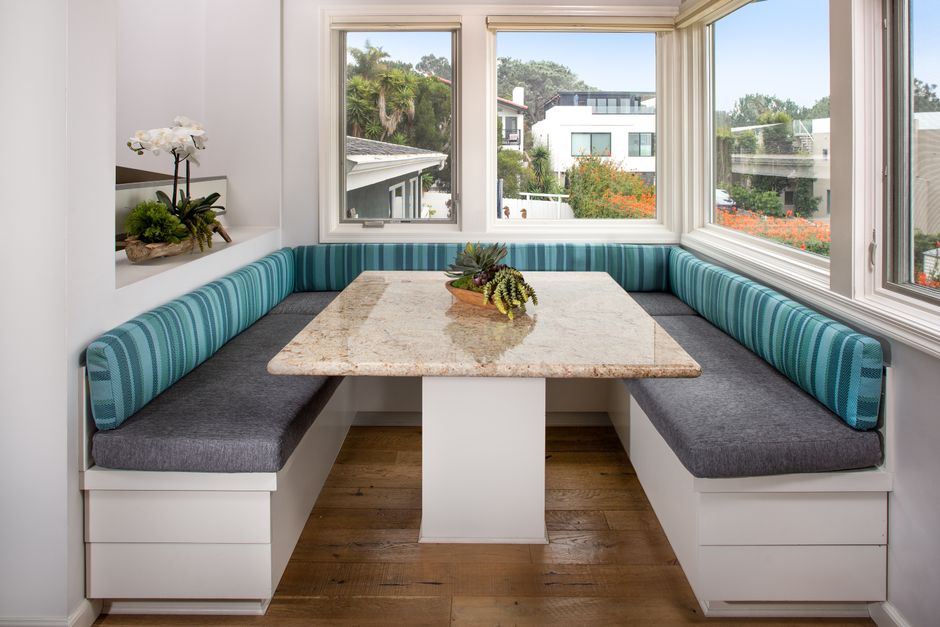
Photo by ASR Design Studio
What You'll Learn
Key considerations for Kitchen Remodel in San Diego
Cost factors and budget planning tips
Timeline expectations for San Diego projects
How to choose the right contractor
Kitchen Layout & Design Planning in San Diego, California: Workflow, Storage, and Real-World Constraints (2026)
Cali Dream Construction | Design-Build General Contractor
Call/Text:(760) 818-6121Email: PUT-YOUR-EMAIL-HERE
Website:PUT-YOUR-WEBSITE-HERELicense: Licensed & Insured General Contractor (CA).
Service area:
A kitchen remodel can look “simple” until you start moving walls on paper. In the real world—especially in San Diego where homes range from coastal condos to mid-century ranches—layout decisions drive everything: cabinet sizes, electrical needs, plumbing locations, ventilation options, permit requirements, and the schedule.
This guide is the homeowner-friendly version of how pros think about layout: workflow first, then storage, then finishes. If you’re still early in planning, this will help you make decisions that keep your remodel sane.
A practical rule: if the layout makes daily tasks smoother, the kitchen will feel bigger—even if the square footage never changes.
The four questions we ask first
1. How many people cook at once? One cook needs fewer simultaneous “stations” than two cooks.
2. Where does clutter land today? Mail, backpacks, pet bowls, coffee gear, charging stations—these are design inputs.
3. Do you entertain or mostly eat in? Seating and serving areas change priorities.
4. What is non-negotiable? Examples: keep gas, add an island, bigger pantry, or more natural light.
If you want a bigger-picture overview of planning, cost ranges, and timelines, start with the hub guide:
(See: 01-hub-guide.md)
---
Measure and document what you have
Photo by HONG SON via Pexels
You don’t need to be an architect to capture the information that prevents surprises later.
What to measure (minimum useful set)
Overall kitchen length/width
Window and door locations, widths, and swing directions
Ceiling height(s) (and any soffits)
Existing appliance widths (and where doors open)
Sink centerline location
Range location and vent/hood situation
Any structural elements you know about (beams, posts, load-bearing walls)
What to photograph
Each wall straight on (one photo per wall if possible)
Close-ups under the sink (plumbing and any leaks/damage)
Electrical panel location and any kitchen circuits you can identify
Flooring transitions into adjacent rooms
Areas that feel “crooked” (walls out of plumb, dips in floor)
Why this matters in San Diego: older homes in areas like North Park can hide layered remodel history. A clean photo set helps your contractor spot red flags early (and price them honestly).
---
Common san-diego layout patterns and when they work
Every kitchen is a constraint puzzle. These patterns show up constantly in San Diego homes.
Galley kitchens (common in condos and some older plans)
Works well when:
You prioritize efficiency over social seating
You can keep at least one clear run for prep
You want a clean, modern look with strong lighting
Watch-outs:
Two cooks collide quickly if the walkway is tight
Appliance doors (dishwasher, oven) can block flow
Good ventilation matters because cooking is “in the lane”
L-shaped kitchens
Works well when:
You want an open feel into living/dining
You can place the sink and range on different legs
You want a small island or mobile cart
Watch-outs:
Corner storage can become “dead space” without smart solutions
Traffic paths can cut through the work area
U-shaped kitchens
Works well when:
You want maximum counter and storage
You cook often and want everything within reach
Watch-outs:
You need enough width so the center doesn’t feel tight
Peninsulas can become bottlenecks if seating is forced into the wrong spot
Peninsula kitchens (great when an island won’t fit)
Works well when:
You want some seating or a serving edge
The room is long but not wide enough for a full island
Watch-outs:
The peninsula end becomes a choke point if clearance is ignored
Islands (when they’re earned, not forced)
Islands are popular because they’re useful. They’re also one of the most common ways a layout becomes awkward.
An island is a win when:
It improves prep and landing space (not just seating)
It doesn’t block the path from fridge → sink → range
You can provide outlets and task lighting without feeling cluttered
If you’re considering an island, it’s smart to check how that affects electrical and permits.
(See: 03-permits-rules.md)
---
Island and peninsula planning: clearances that matter
Homeowners often focus on island size and forget the “space around it.” In day-to-day life, that clearance is what makes the kitchen feel comfortable.
The clearance reality check
Cabinet doors and drawers need room to open without hitting knees or other doors.
Appliance doors need room (dishwasher and oven are the big ones).
Two people passing needs more than a single-file walkway.
Bar seating needs “push-back” room so people can stand up without blocking the work zone.
When a kitchen feels cramped, it’s often not because it’s small—it’s because the circulation paths weren’t planned.
Local note: In neighborhoods like La Jolla and Encinitas, access can be tighter (driveways, street parking, HOA rules). If delivery paths are difficult, you want fewer “oops” moments where something has to be reordered because it doesn’t fit.
---
Storage planning that actually reduces clutter
A kitchen with the right storage feels calmer. A kitchen with “more cabinets” but no plan feels chaotic.
Start with categories, not cabinet types
List what you store in your kitchen:
Daily dishes and glassware
Pots/pans
Cooking utensils
Food storage containers
Pantry goods
Small appliances (air fryer, blender, stand mixer)
Cleaning supplies
Trash/recycling/compost
Then decide:
What should be near the sink (dishes, towels, trash)
What should be near the range (spices, utensils, pans)
What should be near the fridge (prep space, pantry items)
The upgrades that feel “worth it”
Trash pull-out near the main prep zone
Deep drawer stacks (they prevent “black-hole base cabinets”)
Pantry pull-outs or a cabinet pantry if a walk-in pantry isn’t possible
Baking sheet and tray dividers near the oven
Charging drawer or appliance garage if counters are constantly cluttered
Storage upgrades affect cabinet design and cost. If you want help understanding why bids differ, the cost guide breaks it down clearly.
(See: 02-cost-pricing.md)
---
Appliances: lock sizes early to avoid expensive ripple effects
This is one of the most overlooked planning steps.
Why appliance choices affect layout so much
A refrigerator that is wider/deeper may require cabinet width changes.
A different range style may change venting and electrical/gas needs.
Dishwashers vary slightly; it matters more in tight installs.
Built-in microwaves or wall ovens change cabinet specs and wiring.
Best practice: pick appliances early enough that cabinet plans are drawn around real dimensions—not “standard sizes.”
Gas vs induction in San Diego
Many homeowners in San Diego are at least curious about induction. It can be a great upgrade. The practical question is whether the existing electrical system supports it, and whether the scope triggers permit-related work.
Lighting and outlets: design it before cabinets go in
Lighting is not just aesthetics. It’s how the kitchen feels at 6:00 AM and 7:30 PM.
Think in layers
Ambient: overall light in the room
Task: under-cabinet or focused light where you prep and cook
Accent: a few intentional highlights (island pendants, toe-kick glow, inside glass cabinets)
Outlet planning
If your current kitchen has extension cords everywhere, use the remodel to fix that:
Coffee/espresso zone
Charging zone
Under-cabinet lighting power
Island/peninsula outlets (often required)
Dedicated circuits for high-draw appliances
Outlet planning gets harder after cabinets are installed. It’s easier (and cleaner) to design it up front.
---
City-specific constraints that surprise homeowners
San Diego kitchens come with patterns we see often:
Older homes: walls and floors are rarely perfectly straight
In areas like North Park, older construction can mean:
Walls out of plumb (cabinet scribing becomes important)
Floor dips that affect island leveling
Layers of flooring that change appliance heights
Past remodels where wiring/plumbing choices were… creative
Slab foundations and plumbing routes
In many Clairemont and Chula Vista homes, slab construction can limit how easily plumbing moves. That doesn’t mean “no”—it means plan carefully, and be honest about budget/time implications.
Coastal conditions
Near the coast (think La Jolla and Encinitas), humidity and salt air can be harder on some finishes and hardware. Good products and good installation details matter more than trendy picks.
Parking, access, and staging
Jobsite logistics affect schedule and cleanliness. Tight streets or HOAs can change:
Delivery windows
Dumpster placement
Where materials can be staged
Working hours
A strong contractor plans these items early so your neighbors aren’t part of the surprise.
---
How layout choices affect permits, cost, and timeline
Permits
Pure cosmetic updates (paint, cabinets in same locations, counters) may not require permits.
A kitchen remodel is decision-heavy. The trick is to decide in the right order.
A simple decision order that prevents “redo” work
1. Layout and major dimensions (walls, island, appliance locations)
2. Appliance selection (model numbers if possible)
3. Cabinet design (based on real appliance specs)
4. Electrical and lighting plan (based on cabinets and appliance loads)
5. Countertops and backsplash (based on cabinet layout and seams)
6. Finishes (paint, hardware, fixtures)
If you’re trying to keep things smooth, a design-build process helps because decisions and construction planning happen together. If you’re comparing contractors, this guide is useful:
(See: 05-contractor-selection.md)
CTA (when you’re ready): Call or text (760) 818-6121 for a fast, detailed estimate.
Or start with a request form: Request a quote at PUT-YOUR-WEBSITE-HERE.
How to get an estimate (the fast, practical way)
Layout questions are easiest to solve with real measurements and a quick conversation about how you use the space. Even if you’re not ready to build this month, a focused estimate process can save you from expensive design dead-ends.
To get a kitchen remodel estimate that’s actually useful (not a vague guess), prepare:
A few photos of the existing kitchen (wide shots + close-ups of problem areas)
Your address and neighborhood (for access/parking and local jurisdiction)
A short “must-have” list (examples: more prep space, bigger pantry, better lighting, induction-ready power)
Anything you already selected (appliance model numbers, cabinet style, countertop material)
We’ll set a site visit, confirm scope, and provide a written proposal aligned with your priorities.
Who we are
Kitchen layouts are where design and construction meet. A beautiful plan that can’t be built cleanly (or permitted when required) is where budgets and timelines get hurt. We help homeowners make buildable decisions early.
Cali Dream Construction is a Design-Build General Contractor serving San Diego, California. We handle the planning and the build so your kitchen remodel stays coordinated from design decisions to final inspection.
What homeowners tend to value about our approach:
Design-build process (planning and construction under one roof)
Clear scope, transparent pricing, and realistic timelines
Permit-aware planning and inspection-ready workmanship
Clean jobsite habits and consistent communication
What happens next
If you want help turning ideas into a buildable plan, here’s the typical next step-by-step:
1. Call or text:(760) 818-6121
Tell us what you’re changing (layout, cabinets, counters, flooring, lighting, etc.) and what matters most (timeline, budget range, durability, resale, or day-to-day function).
2. Site visit in San Diego: We measure, look at existing conditions, and flag potential constraints (out-of-plumb walls, older wiring, slab plumbing, HOA rules, access/parking).
3. Scope definition: We translate your goals into a clear scope—what’s included, what’s excluded, and what choices still need selections.
4. Timeline discussion: We lay out realistic phases and decision deadlines so you know when cabinet/appliance choices must be locked.
5. Written proposal: You receive a written proposal that matches the defined scope and reflects permitting needs if applicable.
If you already have inspiration photos, send a few along—especially images showing the workflow and storage style you like. We’ll translate the look into a layout that fits your home and your priorities.
Trust & practical safeguards (what to look for)
A kitchen remodel is a lot of moving parts. The goal isn’t perfection—it’s reducing preventable risk. The safeguards below are the “boring” details that protect homeowners.
Licensing: Licensed & Insured General Contractor (CA). (and we encourage homeowners to verify any contractor’s license status before signing).
Insurance: Ask for current proof of general liability and—when applicable—workers’ comp coverage.
Permit awareness: We plan work to be inspection-ready and coordinate with City of San Diego Development Services Department (or equivalent local building office) (and/or the appropriate city) when permits are required.
Cleanliness: Dust control, floor protection, and a jobsite that’s left in livable condition at the end of the day.
Communication: Clear points of contact and regular updates so you’re not guessing what’s happening next.
---
Cali Dream Construction | Design-Build General Contractor
Call/Text:(760) 818-6121Website:PUT-YOUR-WEBSITE-HERELicense: Licensed & Insured General Contractor (CA).
Serving San Diego County and surrounding areas.
Frequently Asked Questions
How much does Kitchen Remodel cost in San Diego?
The cost of Kitchen Remodel in San Diego varies based on scope, materials, and labor. Contact us for a personalized estimate.
How long does a Kitchen Remodel project take?
Most Kitchen Remodel projects in San Diego take 4-12 weeks depending on complexity. We provide detailed timelines during consultation.
Do I need permits for Kitchen Remodel in San Diego?
Many Kitchen Remodel projects require permits in San Diego County. We handle all permitting as part of our design-build service.
Why choose Cali Dream Construction?
We're a licensed design-build contractor (CSLB #1054602) with a focus on quality craftsmanship and transparent pricing.