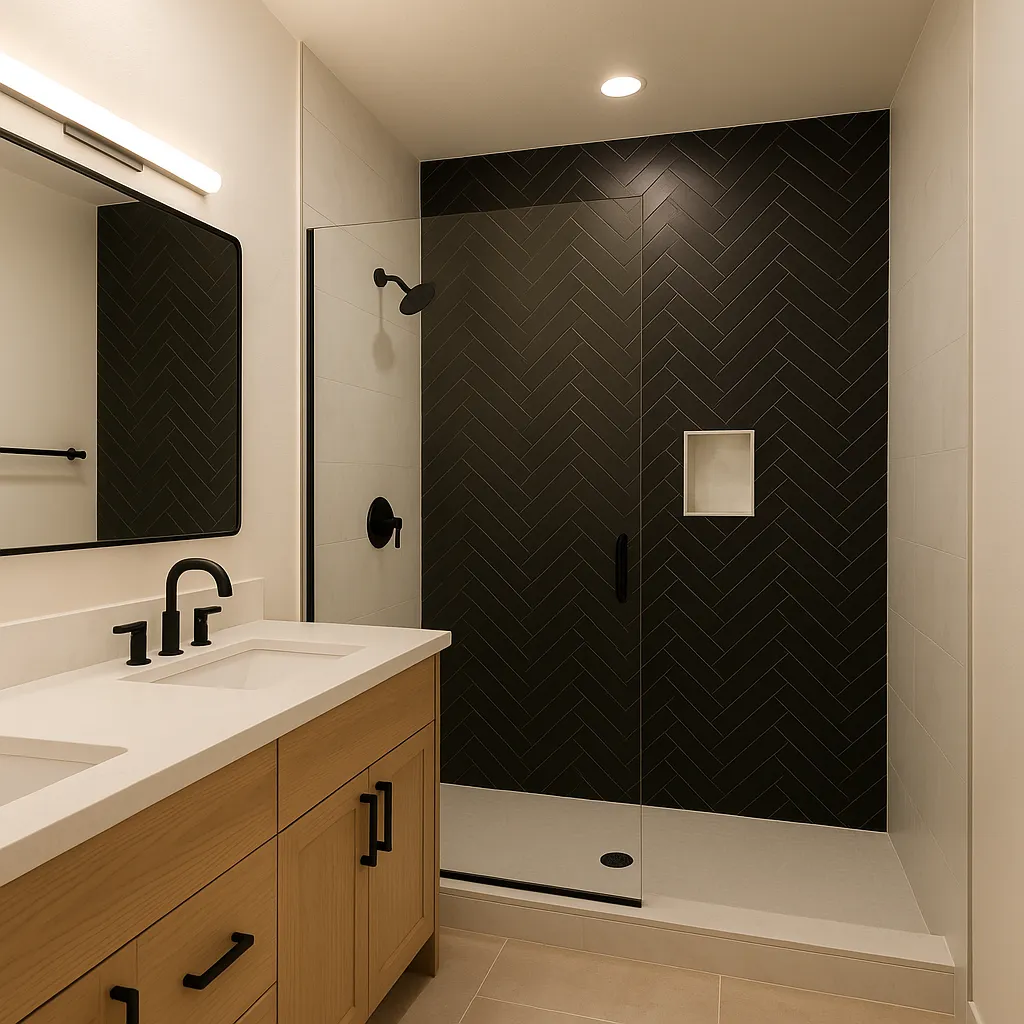
A bathroom can look beautiful in photos and still feel wrong every morning. That is why layout matters more than any trend list. The problems homeowners regret most are rarely about choosing the wrong tile color. They are about clearances that make the room feel cramped, storage that does not fit daily routines, shower dimensions that looked fine on a floor plan but feel tight in real life, and lighting that flatters nobody. Our team serves homeowners throughout Imperial Beach and greater San Diego County.
The frustrating part is that most of these mistakes are preventable. They happen because layout decisions get made too quickly, or because finishes get chosen before the room is actually planned around how people move through it.
Why Layout Mistakes Matter More Than Trend Mistakes
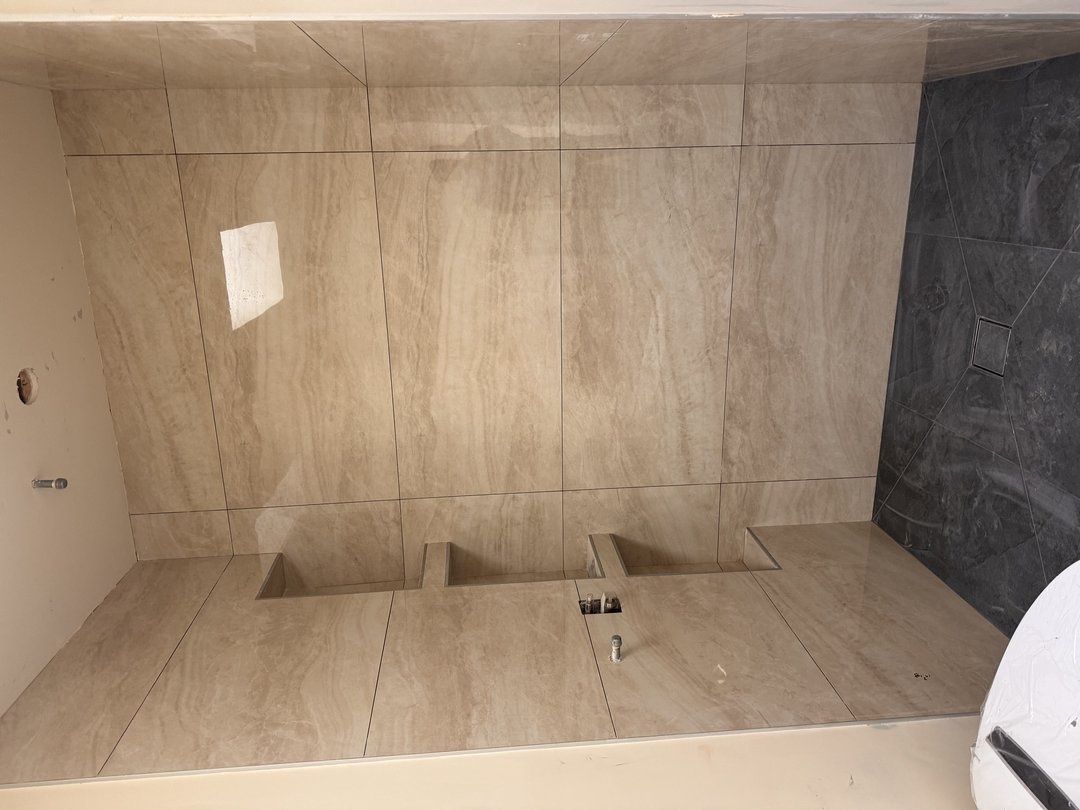
A tile trend that ages poorly can be updated. A poorly placed vanity wall or a shower that is three inches too narrow creates friction every single day for as long as you live in the house. Layout mistakes are structural decisions baked into the room. Changing them later means tearing into the work you just paid for.(See also: bathroom remodeling in La Jolla)
The best bathroom remodels start with movement, not materials. How do you enter the room? Where does the door swing? Can two people use the space at the same time without getting in each other's way? Where do towels go when you step out of the shower? These questions sound basic, but the answers determine whether the bathroom works or just looks nice.
Clearance Problems That Make Bathrooms Feel Smaller Than They Are
Clearances are the distances between fixtures, between a fixture and a wall, and between a fixture and a door. When they are too tight, the bathroom feels cramped even if the square footage is reasonable.(See also: bathroom remodeling in La Mesa)
Common clearance mistakes include:
- Toilet placement too close to the vanity or wall. Most building codes require a minimum of 15 inches from the center of the toilet to the nearest wall or fixture. Comfortable use typically wants 18 inches or more. Bathrooms designed to the bare minimum feel like afterthoughts.
- Door swings that conflict with fixtures. A door that opens into the vanity or blocks the toilet creates a pinch point every time someone enters. In smaller bathrooms, a pocket door or barn-style door can solve this entirely.
- Shower entries that are too narrow. A shower opening that is only 22 inches wide may technically fit, but it does not feel comfortable. Wider entries, especially in curbless designs, make the room feel more open and are easier to clean.
Clearance planning is especially important in older San Diego homes where bathrooms were built to smaller standards. A remodel is an opportunity to rethink those dimensions, but only if the layout conversation happens before the tile conversation.(See also: bathroom remodeling in Rancho Santa Fe)
Vanity, Storage, and Lighting Errors That Create Daily Friction
Vanity Width and Counter Space
Homeowners often choose a vanity based on how it looks in a showroom without measuring how much counter space they actually need. If two people share the bathroom, a single-sink vanity with minimal landing area creates a bottleneck every morning. Double vanities solve the sharing problem, but only if the room can support them without sacrificing clearance elsewhere.
Storage That Actually Serves the Room
Pedestal sinks and floating vanities look clean, but they eliminate cabinet storage. If the bathroom does not have a linen closet or recessed medicine cabinet, those items have to go somewhere. Wall-mounted shelves, niches, and drawer organizers are not afterthoughts. They are functional decisions that should be part of the layout from the beginning.
Lighting Layers
A single overhead light is the most common bathroom lighting mistake. It casts shadows across the face, making the mirror almost useless for grooming. A well-lit bathroom needs at least two layers: vanity-level lighting on both sides of the mirror or a backlit mirror, and general ambient light for the rest of the room. In larger bathrooms, a third layer inside the shower or above the tub adds comfort without adding complexity.
Shower Planning Mistakes: Size, Niches, Glass, Drainage, and Cleaning Reality
The shower is usually the centerpiece of a bathroom remodel, and it is where ambitious design ideas most often collide with daily reality.
- Size assumptions. A shower that measures 36 by 36 inches meets code in many jurisdictions, but it does not feel spacious. For a comfortable experience, 36 by 48 inches or larger is a noticeable improvement. Walk-in showers with a bench typically want at least 36 by 60 inches.
- Niche placement. Shower niches are useful, but their size and location matter. A niche placed too high requires reaching past the water stream. A niche that is too small holds a shampoo bottle and nothing else. Plan niche dimensions around the products the household actually uses.
- Glass enclosures and cleaning. Frameless glass looks beautiful on day one. On day thirty, water spots, soap residue, and mineral deposits become a maintenance commitment. Homeowners should choose glass treatments or coatings that reduce cleaning burden, or consider the tradeoff honestly before committing to large glass panels.
- Drainage. Linear drains, center drains, and threshold-free designs each create different slope requirements in the shower floor. The drain type should be decided during layout, not after the tile is selected. Poor drainage planning leads to standing water, which leads to maintenance problems.
Waterproofing and Ventilation as Non-Negotiables
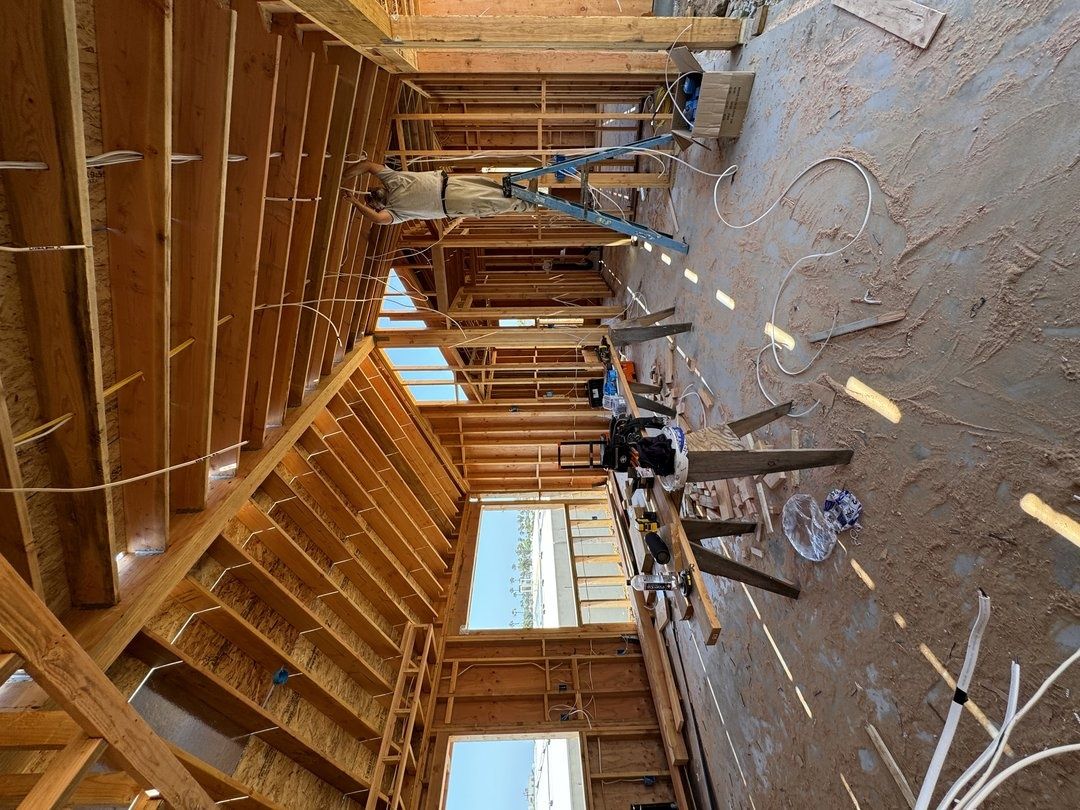
These are not glamorous topics, but they protect the entire investment. A bathroom without proper waterproofing behind the tile will develop mold, rot, and structural damage that is invisible until it becomes expensive.
Modern waterproofing systems use sheet membranes or liquid-applied coatings on the shower walls and floor before any tile is installed. The waterproofing layer is what keeps water out of the wall cavity. Tile and grout alone are not waterproof.
Ventilation is equally important. A bathroom exhaust fan sized correctly for the room and vented to the exterior removes moisture that would otherwise feed mold growth. In San Diego's coastal areas, where humidity can be higher, proper ventilation is even more critical.
A bathroom that looks magazine-worthy but leaks behind the tile or traps moisture in the walls is not a successful remodel. Waterproofing and ventilation should be confirmed before any finish work begins.
How to Think Through the Room Before Choosing Finishes
The best approach is to plan the bathroom in layers, starting with function and ending with aesthetics:
- Movement and access. Map how you enter, use each fixture, and move between them. Identify any pinch points.
- Fixture placement. Position the shower, toilet, vanity, and any other fixtures with real clearances, not just code minimums.
- Storage plan. Decide where towels, toiletries, cleaning supplies, and daily-use items will live.
- Lighting plan. Choose vanity lighting, ambient lighting, and any accent lighting before electrical rough-in.
- Waterproofing and ventilation. Confirm the approach with your contractor before any tile decisions.
- Finishes. Now choose tile, fixtures, hardware, and paint, informed by the layout, not driving it.
Ready to Start Your Project?
Get a free estimate from San Diego's trusted design-build contractor. No obligation.