Last updated: January 2026
Cali Dream Construction — Design-Build General Contractor
Phone: 858-434-7166
Website: https://www.calidreamconstruction.com
Email: info@calidreamconstruction.com
License: Licensed, bonded & insured General Contractor (CA) — CSLB #1054602.
Service Area: Serving San Diego County and surrounding areas. Serving San Diego County and surrounding areas.
Map: https://www.google.com/maps/search/?api=1&query=Cali+Dream+Construction+2802+Paseo+Del+Sol+Escondido+CA+92025
---
Table of Contents
- Start with your project definition (before you call anyone)
- The best questions to ask a kitchen remodeling contractor
- What a good contract should include in California
- Payment schedule best practices (and how scams usually work)
- How to verify license and insurance
- How to compare proposals (apples to apples)
- How to get an estimate
- Who we are
- What happens next
- Trust, licensing, and jobsite standards
---
Homeowners usually start searching for a contractor when they’re already stressed:
they want a better kitchen, but they don’t want budget surprises or “disappearing contractor” stories.
This guide is written to help you hire confidently in Carmel Mountain Ranch, California—with a process that rewards clarity and protects your home.
If you want cost ranges first, read ``.
If you want the common mistakes to avoid, read ``.
---
Start with your project definition (before you call anyone)
Contractor conversations go smoother when you can answer three questions:
- What level of remodel is this?
Refresh, mid-level, or full remodel? ``
- What problems are you solving?
Examples: not enough storage, poor lighting, no landing space, outdated layout.
- What are your must-haves vs nice-to-haves?
Must-haves protect budget. Nice-to-haves are the levers you can pull if the estimate is higher than expected.
A homeowner-friendly “definition sheet”
Before bid meetings, write down:
- appliances you are keeping vs replacing
- any layout changes you want (yes/no)
- finishes that matter most to you (counters, cabinets, flooring, lighting)
- whether you are in an HOA/condo setting
- ideal start window and any blackout dates
This prevents bids from being based on assumptions.
---
A simple screening process (so you don’t waste weeks)
If you’re comparing multiple contractors, use a two-stage screen:
Stage 1: 15–30 minute call (fast disqualifiers)
Listen for clarity on:
- Scope understanding: do they ask smart questions, or jump to a price?
- Permit awareness: do they mention permits/inspections calmly and clearly?
- Timeline realism: do they talk about ordering lead times, or promise “two weeks” with no context?
- Communication: do they explain who updates you and how often?
If a contractor can’t explain their process on a short call, the project won’t get clearer later.
Stage 2: On-site visit (where real estimating happens)
A serious bid usually requires:
- accurate measurements
- checking wall/ceiling constraints for ventilation routes
- confirming electrical panel capacity and outlet needs
- discussing how the jobsite will be protected and staged
This is also your chance to assess professionalism: punctuality, note-taking, and whether they explain tradeoffs without pressure.
The best questions to ask a kitchen remodeling contractor
You’re not trying to interrogate anyone—you’re trying to confirm they have a real plan.
Here are questions that separate “sales talk” from capability.
Scope and planning questions
- “Can you describe what’s included and excluded in your base scope?”
- “How do you handle allowances and upgrades?”
- “What items commonly change price mid-project, and how do you prevent that?”
- “Do you help with design decisions and layout optimization, or should I bring plans?”
Permit and inspection questions
- “Do you expect permits for my scope? Why or why not?”
Related: ``
- “Who pulls the permits and schedules inspections?”
- “If an inspector requests a correction, how is that handled?”
A permit-aware contractor doesn’t treat permits as a nuisance. They treat them as part of the sequence.
Timeline and supervision questions
- “What is your realistic timeline from start to finish?”
- “How many jobs do you run at once?”
- “Who supervises day-to-day work on site?”
- “How will I get updates—text, email, weekly check-in?”
Change order and communication questions
- “What is your change-order process?”
- “Do you price changes before work is done?”
- “Who approves changes and signs off?”
If the answer is vague, budget and schedule become vague too.
Warranty and closeout questions
- “What warranty do you provide on workmanship?”
- “What documentation do I receive at the end—manuals, care instructions, receipts?”
- “Do you walk the job with a punch list before final payment?”
---
What a good contract should include in California
A kitchen remodel contract should protect both parties by removing ambiguity.
At minimum, you want:
- Clear scope of work (demo, rough work, cabinets, finishes, cleanup)
- Material descriptions (brands/levels where possible)
- Allowance list with amounts and rules for over/under
- Permit responsibility (who pulls, who pays, who meets inspections)
- Start window and working days (and what pauses the schedule)
- Payment schedule tied to progress milestones
- Change-order process in writing
- Warranty terms (workmanship vs product warranties)
- Insurance and license info listed on the agreement
- Cleanup and protection plan (dust, flooring protection, daily cleanup)
If a contractor can’t provide a detailed written agreement, don’t move forward. Kitchen remodels are complex enough that “handshake scope” creates conflict.
---
Payment schedule best practices (and how scams usually work)
Most homeowner regret stories follow one of these patterns:
- large deposit requested up front
- payments not tied to clear milestones
- vague scope, so “progress” can’t be verified
- homeowner feels pressured to pay to keep the crew showing up
What a reasonable payment schedule looks like
A healthy schedule is usually:
- a compliant deposit
- progress payments tied to completed phases
- a clear final payment after punch list and walkthrough
Phases often look like:
- demo complete
- rough-in complete + ready for inspection
- cabinets installed
- countertops installed
- substantial completion
- final walkthrough / closeout
California down payment reminder
For many home improvement contracts in California, down payments are limited (often described as no more than $1,000 or 10% of the contract price, whichever is less). If someone asks for a large deposit “to get on the schedule,” treat it as a sign to slow down and verify.
This is not about distrust—it’s about following consumer protections and keeping the project structured.
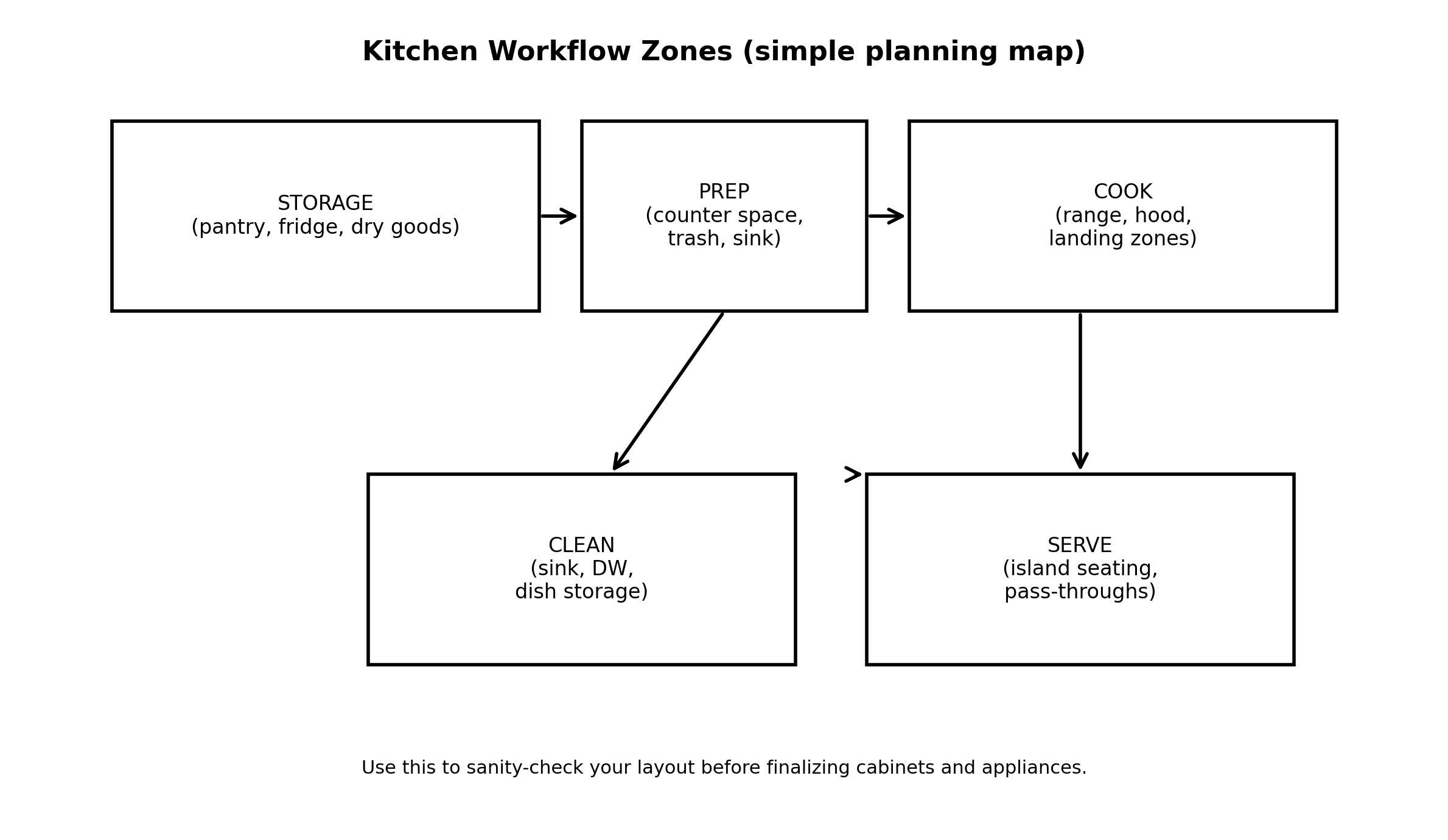
Use this matrix to keep bids and payment schedules comparable.
---
Lien releases and documentation (homeowner protection)
Most homeowners never think about liens until a problem appears. You don’t need to become a construction attorney, but you should understand the basics:
- Progress payments should match completed work you can see.
- When progress payments are made, it’s reasonable to ask for documentation that supports the payment (especially on larger scopes).
- Many homeowners ask about lien releases/waivers as payments are made, particularly when multiple trades are involved.
A professional contractor should be able to explain how they handle payments to subcontractors and suppliers, and what documentation is provided at closeout.
If someone becomes defensive about basic documentation, that’s a sign the system is not organized.
How to verify license and insurance
A professional contractor should welcome verification. It protects you and it protects them.
License verification (CSLB)
Verify:
- the license is active
- the classification matches the work
- the business name matches the proposal
- bond and insurance status where applicable
Don’t rely on a screenshot or a business card. Verify directly through the Contractors State License Board (CSLB) tools.
Insurance verification (what to ask for)
Ask for:
- general liability coverage documentation
- workers’ compensation coverage (if they have employees)
- any additional coverage relevant to your project scope
A quick phone call to the insurer (using contact info you find independently) can confirm a certificate is real.
---
References and portfolio: what to ask without getting “salesy”
You don’t need a stack of scripted testimonials. You want real answers:
- “What was the scope and how close was the final cost to the original proposal?”
- “How were issues handled when something unexpected was found?”
- “Did the crew keep the home livable and clean?”
- “Was communication consistent or did you have to chase updates?”
- “Would you hire them again?”
Even one honest conversation can tell you more than a glossy gallery.
How to compare proposals (apples to apples)
A proposal comparison is not just about the bottom-line number.
A proposal is strong when:
- scope is specific and written clearly
- allowances match your taste and are broken down by category
- permit responsibility is stated
- timeline assumptions are realistic
- the change-order process is written
- payment schedule is milestone-based and compliant
Watch for these “looks good, isn’t good” signs
- A very low total with vague scope
- A short timeline that ignores ordering and inspections
- Statements like “we’ll figure it out as we go”
- No clear supervision plan
- No written change-order process
If you want a homeowner-friendly way to compare bids, review `` and then revisit the mistakes list in ``.
---
How to get an estimate
If you’d like us to provide a detailed estimate for a kitchen remodel in Carmel Mountain Ranch, here’s the fastest path:
- Call or text 858-434-7166 and tell us what you want to change.
- Share photos of your current kitchen and inspiration examples.
- We schedule a site visit to measure and review constraints (venting, electrical, plumbing).
- We define scope and allowances so the proposal matches your priorities.
- You receive a written proposal with timeline and permit assumptions.
Request a quote at https://www.calidreamconstruction.com.
---
Who we are
Cali Dream Construction is a Design-Build General Contractor serving homeowners across San Diego County, including Carmel Mountain Ranch.
Our difference is not hype—it’s process:
- Design-build process (planning and construction under one roof)
- Clear scope, transparent pricing, and realistic timelines
- Permit-aware planning and inspection-ready workmanship
- Clean jobsite habits and consistent communication
---
What happens next
When you contact us, you can expect:
- Call/text conversation to clarify goals
- Site visit and measurements
- Scope and timeline discussion
- Written proposal with clear allowances
- A clean start plan (permits, ordering, jobsite protection)
---
Trust, licensing, and jobsite standards
Hiring a contractor is a trust decision. We try to earn that trust with transparency.
- Licensing: Licensed, bonded & insured General Contractor (CA) — CSLB #1054602.
- Insurance: documentation available upon request.
- Permit awareness: inspection-ready workmanship and planning.
- Cleanliness: organized site, dust control, end-of-day cleanup.
- Communication: consistent updates and clear next steps.
If you’re ready to talk through your kitchen remodel, call or text 858-434-7166.
---
Get a fast, permit-aware kitchen remodeling estimate
Call or text: 858-434-7166
Request a quote: https://www.calidreamconstruction.com
License: Licensed, bonded & insured General Contractor (CA) — CSLB #1054602.
Cali Dream Construction — Design-Build General Contractor
Serving San Diego County and surrounding areas.