La Jolla Home Remodel 2026: What Coastal Luxury Actually Costs
La Jolla Home Remodel 2026: What Coastal Luxury Actually Costs
If you're sitting in your La Jolla living room thinking about a remodel, you're probably wondering two things: how much is this actually going to run, and how do I not get completely buried in the process. I've completed over 200 remodels across San Diego County, and I can tell you that la jolla remodel cost isn't just about picking nice finishes—it's about understanding what the coast actually demands from your materials, your timeline, and your wallet.
La Jolla homes are beautiful. Most of them were built between 1960 and 1980, which means they've got solid bones but aging systems, corroded hardware from salt air, and single-pane windows that let the ocean breeze—and your heating bills—right through. When I quote a remodel here, the numbers don't just reflect design choices. They reflect the reality of working 500 feet from the Pacific Ocean.
Here's what this guide covers: exactly what a la jolla home renovation costs in 2026, what you'll actually spend on permits (they're different here), which materials will survive the salt air, common mistakes I see every month, and honest answers about ROI that contractors usually dance around.
Key Takeaways
- Budget Reality: La Jolla remodels run $85K–$200K+ depending on scope; expect 15–25% higher costs than inland San Diego neighborhoods due to coastal materials and permits
- Salt Air Changes Everything: Marine-grade stainless steel hardware ($800–$2,000 extra) is non-negotiable; standard hardware corrodes in 18–24 months
- Permits Are Stricter: Coastal Development Permits add 6–12 weeks and $3K–$8K to timelines and budgets; not budgeting for this is how projects stall
- Kitchens Cost $45K–$85K: Countertops alone run $4,000–$12,000; appliances another $8K–$15K; labor is 40–50% of total kitchen cost
- Bathrooms Cost $15K–$50K+: Tile work and waterproofing are critical in salt air; cheap shower pans fail fast and cost $8K–$12K to repair
- ROI Stops Around 80%: Luxury finishes in La Jolla are expected, not surprising; you recoup 70–85% of mid-range spending, not 100%
- Timeline Reality: Full kitchen remodels take 8–12 weeks; bathroom 4–8 weeks; add 2–3 months if Coastal Development Permits are required
Why La Jolla Remodels Cost More Than La Meseta or Torrey Pines
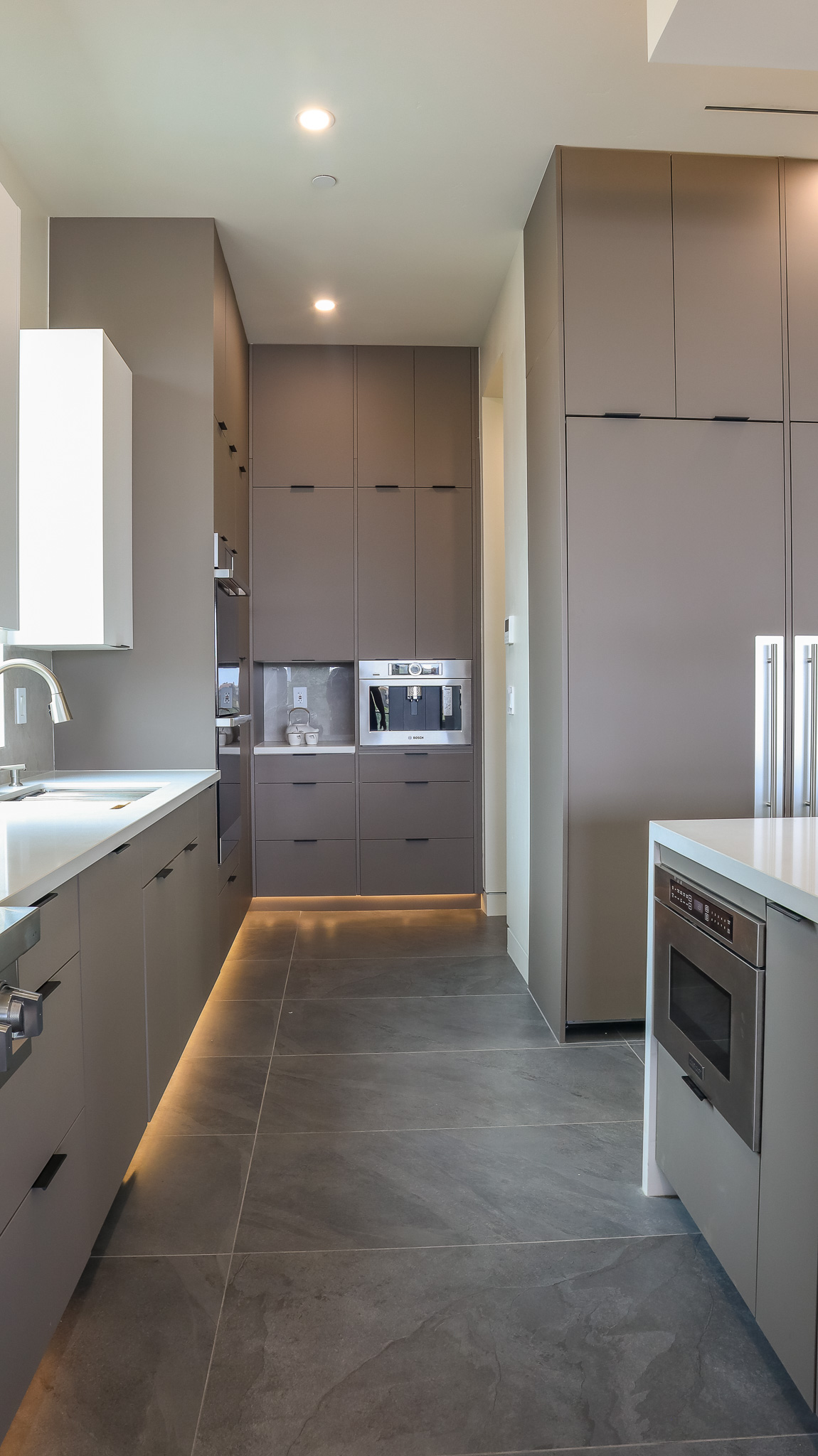
San Diego has dozens of neighborhoods, and remodel costs vary wildly. Compare La Jolla to somewhere like La Meseta or even Torrey Pines (also coastal, but more sheltered), and you're looking at 15–25% higher costs here. Why? Salt air, permit complexity, and the market expectations in a neighborhood where homes average $2.5 million–$4 million+.
First, the material reality. Salt air corrodes standard stainless steel. Not over five years—I mean within 18–24 months, you're seeing rust on cabinet hardware, outdoor trim, and fasteners. A standard stainless steel cabinet pull costs $12. A marine-grade equivalent costs $35–$50. Multiply that across a kitchen with 20–30 pulls, hinges, and trim fixtures, and you're looking at $1,200–$2,000 just in upgraded hardware costs. Inland, this isn't necessary. Here, it's standard.
Second, the permit landscape is different. La Jolla falls under the San Diego Coastal Zone, which means certain projects need a Coastal Development Permit in addition to standard building permits. A kitchen remodel might need both a CDP and a regular remodel permit. A bathroom might trigger a CDP if it involves exterior walls or alters the visual profile from the coast. A bedroom addition almost certainly needs a CDP. Each one adds 6–12 weeks and $3K–$8K to your timeline and budget. I've seen clients from Pacific Beach or Ocean Beach assume their La Jolla project will follow the same permit path—it doesn't.
Third, the quality bar is just higher. In La Jolla, granite countertops aren't a luxury—they're baseline. Quartz is standard. Cheap tile is immediately noticeable in a $3 million home. Homeowners expect better finishes, better hardware, and better workmanship. That drives labor costs up because you're paying for precision, not just speed.
On a kitchen we completed in La Jolla last month, the client asked why their quote was $62K when her friend in Del Mar paid $48K for a similar scope. The answer: marine-grade hardware (+$1,800), Coastal Development Permit and expedited reviews (+$4,500), higher-grade tile backsplash because standard tile wasn't acceptable (+$2,200), and labor at 2–3% premium because the work is visible to more critical eyes. Same kitchen concept. $14K difference, almost entirely due to location.
The Real Numbers: 2026 La Jolla Remodel Cost Breakdown
Download our Neighborhood Remodel Value Guide
Get our step-by-step planning guide — the same one we give clients before every project. No spam, just the checklist.
Get the Free ChecklistLet me give you actual numbers for 2026, based on current material costs, labor rates in San Diego, and the specific adjustments that apply to La Jolla. These aren't minimums or maximums—they're the range I actually see in my bid meetings.
| Project Scope | Budget Range | Typical Timeline | Key Variables |
|---|---|---|---|
| Kitchen Remodel | $45K–$85K | 8–12 weeks | Countertops, appliances, cabinet hardware (marine-grade), backsplash, layout changes |
| Master Bathroom | $20K–$50K | 6–10 weeks | Tile, fixtures, waterproofing, plumbing work, ventilation (critical in salt air) |
| Guest Bathroom | $12K–$28K | 4–6 weeks | Basic tile, vanity, toilet, mirror; typically simpler than master |
| Flooring (whole floor) | $8K–$22K | 2–4 weeks | Hardwood ($8–$15/sqft), LVP ($5–$10/sqft), tile ($6–$12/sqft) plus removal/underlayment |
| Countertops Only | $4K–$12K | 2–4 weeks | Quartz $50–$120/sqft, Granite $40–$100/sqft, installed (75–100 sqft typical kitchen) |
| Permits (Minor) | $300–$800 | 2–4 weeks | Simple bathroom, cabinet-only kitchen work, interior-only |
| Permits (Major + CDP) | $3K–$8K | 6–14 weeks | Coastal Development Permit required; includes plan review, expediting, coordination |
| Whole-House Remodel | $85K–$250K+ | 4–6 months | Multiple projects, phasing, structural work, systems (electrical, plumbing, HVAC) |
| Paint + Interior Refresh | $5K–$18K | 1–3 weeks | Interior painting, trim, hardware refresh (marine-grade), no structural work |
These numbers assume you're working with a licensed contractor who pulls permits correctly. They also assume mid-to-upper-range finishes—what I call "appropriate for La Jolla." You can go cheaper on individual items, but you're usually sacrificing durability or resale perception, which isn't smart in a market where homes are $2.5 million+.
Kitchen Remodel Cost Deep Dive: Why $45K–$85K
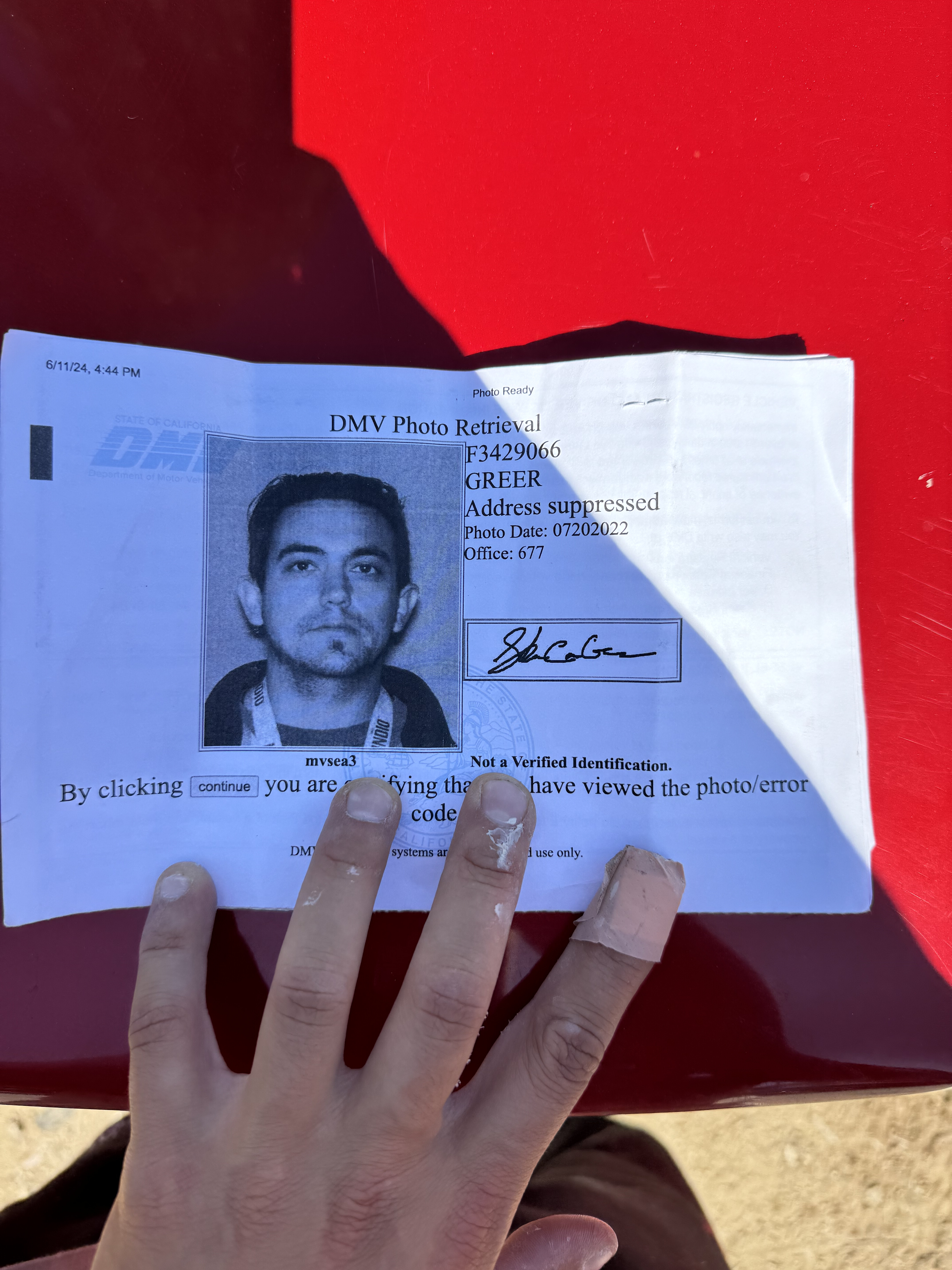
A kitchen remodel is the project I quote most often in La Jolla, and it's also where clients are most surprised by final costs. Let me break down exactly where the money goes.
Cabinetry: $15K–$28K Standard semi-custom cabinets run $150–$300 per linear foot installed. Most La Jolla kitchens are 20–25 linear feet. That's $3,000–$7,500 just for boxes. Add hardware (marine-grade stainless, $1,800–$2,500), and you're at $5K–$10K. High-end custom cabinetry pushes this to $15K–$28K. I always tell my clients: don't cheap out on cabinet hardware in La Jolla. Standard pulls and hinges corrode. Marine-grade costs more but lasts.
Countertops: $4K–$12K Most clients want quartz or granite. Quartz runs $50–$120 per square foot installed; granite $40–$100/sqft. A typical La Jolla kitchen has 75–100 square feet of counter space. You're looking at $3,750–$12,000. Undermounting the sink adds $400–$800. Edge details (waterfall edges, bevels) add $200–$600. The thickness (3cm vs. thicker) affects price. I see clients pick cheaper countertop material to save $2K, then regret it when they see the island looks undersized or the color doesn't match their vision.
Appliances: $8K–$15K Most of my La Jolla clients want mid-to-high-end appliances. A mid-range refrigerator runs $2,500–$4,000. A good induction cooktop $2,500–$4,500. Wall oven $1,500–$3,000. Microwave drawer $1,200–$2,000. Dishwasher $1,200–$2,500. You're easily hitting $9K–$16K. Budget matters because a cheap refrigerator in a $3 million home looks out of place.
Backsplash: $1,200–$3,500 Most La Jolla kitchens get tile backsplash. Tile costs $8–$15 per square foot; installation another $10–$18/sqft. A 40-square-foot backsplash runs $720–$1,320 in materials, $400–$720 in labor. But here's the real cost: if you want anything above basic subway tile (and in La Jolla, you do), you're spending $1,500–$3,500 total. I see clients pick high-end tile at $25/sqft, which bumps a backsplash to $3,000+ just for materials.
Labor: $12K–$20K Labor is typically 40–50% of kitchen remodel cost. In La Jolla, with higher precision standards and permit coordination, it's closer to 50%. An 8-week kitchen remodel has one electrician, one plumber, one tile specialist, one general crew doing demolition and finishing. That's roughly $100–$150/hour across the team, 400–500 labor hours. You're looking at $12K–$20K in labor alone.
Contingency + Misc: $2K–$5K Always budget 5–10% contingency. Hidden water damage, plumbing that needs upgrading, electrical panels that don't meet Title 24, foundation issues—I guarantee you'll find something. In a 2024 La Jolla kitchen, that's $2K–$5K.
Total: $45K–$85K. That's real money, but it's also the market in La Jolla. I had a client ask if she could cut corners to hit $35K. Honest answer: yes, but the kitchen would look cheap next to $3.5 million in home value. We did $58K instead, and she was happy with the result. I always tell my clients: spend what's appropriate for your home's value. Underspending here shows.
Bathroom Remodels: The Hidden Complexity of Salt Air
Bathrooms are where salt air causes the most damage. Humidity + salt air = corroded fixtures, failing shower pans, mold in exhaust ducts, and hardware that looks terrible in 2 years. A bathroom remodel in La Jolla isn't just about aesthetics—it's about building something that actually survives the environment.
Master Bathroom: $20K–$50K Master bathrooms are bigger and more detailed. A typical master is 60–80 square feet. Tile work alone (walls, floor, shower) costs $3,500–$8,000 depending on tile choice and complexity. Fixtures (faucet, shower head, towel bars—all marine-grade stainless) run $2,500–$5,000. Vanity $2,000–$5,000. Toilet $600–$1,500. Mirror/lighting $1,200–$2,500. Waterproofing and prep work $1,500–$3,000. Labor $4,000–$8,000. You're hitting $20K–$50K easy.
The biggest mistake I see is homeowners picking beautiful tile without understanding the installation work required. Herringbone tile layout looks great but costs 30–40% more in labor than straight grid. Large-format tile (24"x24") requires more precision and thinner mortar, so labor goes up. I always tell my clients: pick tile you love, but know that labor will be 50–60% of the tile cost.
Guest Bathroom: $12K–$28K Smaller bathrooms (35–50 sqft) are simpler. Tile work $1,500–$3,500. Fixtures $1,200–$2,500. Vanity $1,000–$2,500. Toilet $500–$1,200. Mirror/lighting $600–$1,500. Labor $2,500–$4,000. Guest bathrooms usually come in $12K–$28K.
Waterproofing: Why This Costs Extra in La Jolla Here's what contractors won't tell you: waterproofing in a coastal shower is different. Standard drywall + tile fails in 5–7 years because salt air corrodes the substrate and accelerates moisture penetration. I spec'd a shower in La Jolla three years ago with standard cement board. Two years in, water was backing up behind the tile. We had to re-do the entire shower—$8,500 for tear-out and rebuild with proper waterproofing membrane.
Now, I always recommend one of two options:
- Schluter Kerdi system ($800–$1,500 extra) – waterproofing membrane that bonds to the substrate and provides true water management. Lasts 15–20 years easily.
- Actual cement backer board (not the cheap drywall stuff) ($400–$800 extra) plus quality waterproofing primer
The $1,000–$1,500 extra upfront saves you $8K–$12K in repairs 5–7 years down the road. That's the math in La Jolla.
La Jolla Spotlight: Coastal Materials, Permits, and What's Different
If you're remodeling in La Jolla, you're dealing with three things inland contractors rarely see: marine-grade specifications, Coastal Development Permits, and the actual wear patterns of the coast.
Marine-Grade Hardware Is Non-Negotiable Standard stainless steel (like you'd use in Pacific Beach or Ocean Beach, which are more sheltered) corrodes in La Jolla's exposed environment. The salt air, wind direction, and spray patterns are more aggressive here. I learned this the hard way.
On a 2019 kitchen project in La Jolla, we used standard stainless hardware. Two years later, the client called—rust spots on every cabinet pull. The hardware cost $400. Replacing it cost $1,200 plus labor and inconvenience. Now, I always specify:
- Cabinet hardware: 316-grade marine stainless (not 304-grade). Cost: $35–$60 per pull vs. $12 standard. Multiply by 25–30 pulls per kitchen = $600–$1,500 extra.
- Hinges: Marine-grade ball-bearing hinges $50–$100 each vs. $15 standard. Six hinges per cabinet, 10 cabinets = $1,500–$2,500 extra for marine-grade.
- Trim and fasteners: All stainless fasteners (bolts, screws) must be 316-grade. This gets specified in the materials list and adds maybe $300–$500.
- Plumbing fixtures: Chrome and brass corrode. Brushed or polished stainless only. A faucet upgrade from standard chrome to marine stainless runs $400–$800 extra per fixture.
Total additional cost for marine-grade hardware across a kitchen: $2,000–$4,000. In a $60K kitchen, that's 3–7% extra. It's the difference between hardware looking great at year 5 vs. hardware looking neglected.
Coastal Development Permits: The 6–12 Week Wild Card If your project requires a Coastal Development Permit, you're adding significant time and cost. The San Diego Development Services Department handles CDP review, and it's slower than standard permits.
Here's when you need a CDP in La Jolla:
- Exterior modification (windows, doors, siding, roofing)
- Changes visible from public coastal areas
- Structural changes affecting the footprint
- Addition of decks, patios, or exterior structures
- Changes to vegetation or landscaping affecting coastal views
A bathroom remodel on the ocean-facing side of your home? Probably needs a CDP. A kitchen that involves new windows or doors? Likely needs a CDP. A master bedroom addition? Definitely needs a CDP.
The CDP process works like this: Your contractor (or architect) submits plans to the San Diego Development Services Department. They review for coastal consistency, visual impact, environmental considerations. First review typically takes 4–6 weeks. Comments come back. You revise. Second review is another 2–4 weeks. Then you get approval to pull permits. Then you go through standard permit pull (another 2–4 weeks).
Total timeline: 8–14 weeks before you can start work. Standard permits are usually 2–4 weeks. That's a huge difference.
Cost-wise, the CDP itself ($3,000–$5,000) is just the filing fee and plan review. But there's also the time cost. If you have an architect or expediter involved, that's another $2,000–$3,000. Total permit cost for a CDP project: $5,000–$8,000. Without a CDP, you're at $300–$1,000.
Salt Air Corrosion Patterns: What Fails First After 200+ projects, I know which materials fail fastest in salt air:
- Exterior wood trim: Fails in 3–5 years without annual sealing. Maintenance cost: $200–$500/year. Better option: fiber cement or marine-grade composite ($1,200–$2,500 more initial cost, lasts 15+ years, zero maintenance).
- Metal railings and gates: Aluminum with standard finish corrodes. Specify powder-coated or anodized aluminum. Cost increase: 20–30%. Worth it.
- Caulk and sealant: Standard paintable caulk fails in 18–24 months. Marine-grade polyurethane lasts 5–7 years. Cost difference: $50–$100 per project. Do the math.
- Exhaust vents: Bathroom and kitchen vent dampers corrode and stick. Specify stainless steel dampers with marine-grade springs. Extra cost: $300–$500. Replacement cost if it fails: $800–$1,200.
What Other Contractors Won't Tell You
I'm going to be honest about things most contractors dance around or hide in fine print. These are lessons from 200+ projects and conversations with homeowners who've been burned.
1. You're Probably Not Getting Your Full Investment Back in Resale Value Here's the myth: "A kitchen remodel returns 80% ROI." In La Jolla, that's optimistic. The reality is more like 60–75% on mid-range remodels, 50–70% on ultra-luxury finishes. Why? Because La Jolla homes appreciate based on location, view, and structure—not whether your countertops are quartz or granite. A buyer will pay for a remodel that doesn't have obvious problems, but they won't pay the full value you invested.
Example: You spend $65K on a kitchen. Market value increase is probably $40K–$45K, not $52K. That $20K difference isn't coming back. Most contractors won't say this because it kills deals. I say it because you need realistic expectations. Remodel for yourself and your home's longevity, not as an investment. If you get 70% back in resale, that's actually good.
2. Permit Delays in La Jolla Are Real, and Contractors Often Underestimate Them I've submitted Coastal Development Permits that took 14 weeks. I've also had them approved in 6 weeks. The difference? Plan clarity, whether the city asks for revisions, and how busy the San Diego Development Services Department is that quarter.
When I quote a project requiring a CDP, I always quote 10–12 weeks for permits + preparation before work starts. Some contractors quote 6–8 weeks, then they're surprised when weeks 9 and 10 pass without approval. Then they're apologizing to you for being behind schedule.
Budget accordingly. If you're remodeling on a timeline (selling the home, deadline pressure), a CDP project is risky.
3. Your Home Has Structural Issues You Haven't Discovered Yet Most La Jolla homes are 40–60 years old. When we open walls for kitchen or bathroom remodels, we find:
- Plumbing that needs replacement (copper pipes with corrosion, galvanized steel, even old lead solder in some homes)
- Electrical panels that don't meet current code and need upgrading ($3,000–$8,000)
- HVAC ducts routed through walls that are now load-bearing (discovered during structural assessment)
- Foundational settling that's moved door frames out of square
- Water damage in wall cavities from old roof leaks (caught during demolition)
I've never—not once—opened a 1970s La Jolla home without finding at least $2,000–$5,000 in unexpected work. Smart contractors budget a 10% contingency for exactly this reason. Cheap contractors don't, then they go back to the client asking for extra money.
4. The Cheapest Quote Usually Isn't a Better Deal—It's a Red Flag When you get three quotes and one is 20% below the others, that contractor is either cutting corners or going to hit you with change orders. There's no secret discount. Construction costs are transparent: labor is $100–$150/hour, tile is $8–$15/sqft, cabinetry is $150–$300/ft. If someone's 20% cheaper, they're solving the math problem by reducing quality or by planning to add costs later.
The right contractor is the middle quote, not the cheapest.
Mistakes I See All the Time (And How to Avoid Them)
Mistake 1: Not Budgeting for Permits Early Enough Client gets excited about a remodel, wants to start immediately, doesn't budget for permits. Two months later, permits still aren't approved. Project is on hold. This happens constantly. Solution: hire your contractor early (just for consulting), get a preliminary permit assessment done, budget for 8–12 weeks of permit review, and don't start material orders until permits are in hand.
Mistake 2: Picking Bathroom Hardware Based on Photos, Not Reality I can't tell you how many clients pick $2,000 custom faucets from Instagram, then discover they don't work with their existing plumbing layout, or the finish is wrong for salt air, or the handles are too delicate for daily use. Always specify hardware with your contractor's input. Budget for consultation ($200–$500 usually) to nail down details. It's worth it.
Mistake 3: Going with the Lowest Bid on Tile Cheap tile ($3–$5/sqft) looks cheap immediately. In a $3 million home, it shows. Invest in mid-to-premium tile ($10–$18/sqft) and your bathroom looks intentional. This usually adds $1,500–$3,000 to a project but feels like $10,000 in perceived quality.
Mistake 4: Underestimating Plumbing/Electrical Complexity Bathroom moving the toilet location? That's $2,000–$4,000 in plumbing work, not $500. Kitchen moving the island? That's new circuits, new gas lines, potentially new water mains. Clients often think moving something 8 feet is simple. It's not. Always get a plumber and electrician involved in the planning phase ($300–$500 consultation fee). They'll identify the real costs upfront.
Mistake 5: Not Specifying Marine-Grade Materials in Writing The biggest hidden cost: getting 80% through a project, then discovering standard hardware was installed when you specified marine-grade. Contractors should have this in the contract, but I've seen careless subs miss it. Solution: write "marine-grade 316 stainless steel" in the specifications. Make it specific. Make your contractor sign off on it. Make it a line item on the bid.
Pro Tips from 200+ Projects
Tip 1: Phase Your Remodel If Budget Is Tight
Most La Jolla homeowners have a choice: do the whole kitchen at once or phase it (kitchen cabinets year one, countertops and appliances year two). Phasing spreads cost but extends the project timeline. If you phase, phase smartly. Do infrastructure first (plumbing, electrical, structural), then finishes. Don't do countertops, then rip them out six months later for appliances. Planning
Use our free calculators for an instant ballpark: View All 25+ Free Calculators I'm Fares Azani, and my team at Cali Dream Construction has completed 200+ remodels across San Diego.
We'd love to help with yours. Or request an in-person planning session online | License CSLB #1054602Estimate Your Project Cost
Ready to Start Your Project?