Permit problems are often scope problems in disguise. Homeowners sometimes think permits slow projects down all by themselves, but in many remodels the deeper issue is that the team entered planning without enough clarity. If the layout is still shifting, fixture locations are still moving, or the project type is not fully defined, approvals and scheduling become harder because the work itself is not settled yet.
Permit-ready planning is really just good planning: making the important decisions early enough that the rest of the process can move forward without backtracking.
Why Permit Friction Often Starts With Unclear Scope

When a homeowner says "the permit process took forever," the root cause is often one of these situations:(See also: adu construction in La Mesa)
- The plans were submitted before the design was finalized, leading to revisions and resubmissions
- The scope of work was not clearly defined, so the permit application was incomplete or miscategorized
- The team did not anticipate which aspects of the project would trigger permitting requirements
- Design changes happened after the permit was filed, requiring amendments that restart the review clock
In each case, the issue is not bureaucratic slowness. It is that the project entered the permitting phase before the planning was solid enough to support it. A clear scope feeds clean drawings, which feed a complete permit application, which moves through review with fewer delays.(See also: whole home remodel in Coronado)
Questions That Help Define Permit-Relevant Scope Early
Not every remodel requires a permit, and not every permitted project requires the same level of documentation. The scope of work determines what is needed. These questions help define that scope early in the planning process:(See also: adu construction in La Mesa)
- Are walls moving? Any structural modification, whether removing, adding, or relocating a wall, typically triggers a building permit and may require structural engineering.
- Are plumbing fixtures being relocated? Moving a sink, toilet, or shower to a different location usually requires a plumbing permit. Replacing a fixture in the same location often does not.
- Is electrical work involved? New circuits, panel upgrades, or relocated outlets and switches generally require an electrical permit. A kitchen remodel with a new island, for example, typically needs new circuits for outlets, appliances, and lighting.
- Are windows or doors being added, removed, or resized? Changes to exterior openings affect the building envelope and usually require a permit, especially if they involve structural headers.
- Is the project adding square footage? An addition or ADU involves building permits, and potentially planning review, depending on the jurisdiction and the scope.
- Are there any changes visible from the exterior? Some neighborhoods and municipalities have design review requirements for exterior modifications. Knowing this early prevents surprises.
A design-build contractor experienced with San Diego permitting will walk through these questions during the initial consultation and identify what the project will require before design begins.
How Drawings, Site Conditions, and Sequencing Relate to Approvals
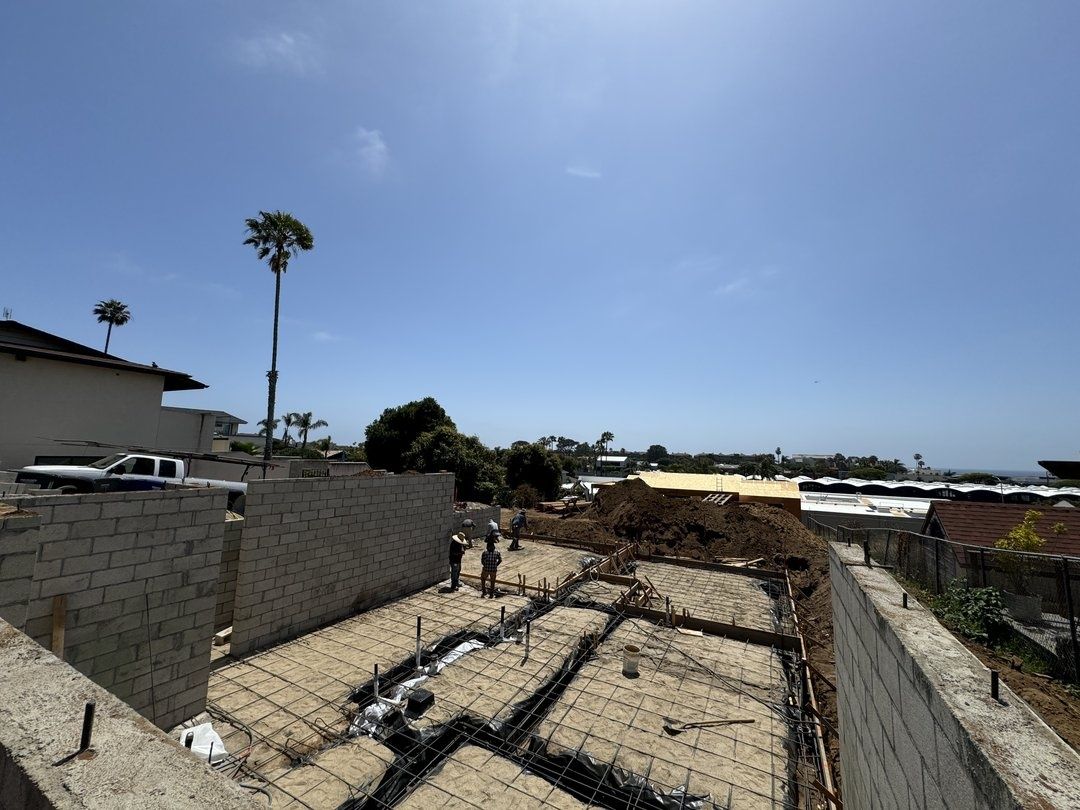
Permits require drawings. The level of detail depends on the project type. A straightforward bathroom remodel with plumbing work may require a basic floor plan showing new fixture locations. A whole-home renovation with structural changes may require architectural plans, structural engineering, and possibly energy calculations.
The quality and completeness of the drawings directly affect how quickly the permit is processed. Incomplete plans get sent back for correction. Plans that do not match the actual site conditions (wrong dimensions, missing structural elements, incorrect utility locations) create revision cycles that add weeks to the timeline.
Sequencing also matters. In some projects, certain phases can begin with an over-the-counter permit while more complex aspects undergo plan review. A knowledgeable contractor can identify which parts of the project can move forward first and sequence the permit strategy accordingly.
What Homeowners Should Decide Before Expecting Clean Momentum
The homeowner's role in permit-ready planning is not to understand the permitting code. It is to make the design decisions that the permit application depends on. Those decisions include:
- Final layout. Where walls, fixtures, windows, and doors will be in the finished project. Moving a wall after the permit is filed means amending the permit, which resets the review timeline.
- Major fixture positions. Toilet, shower, tub, vanity, sink, dishwasher, range, and refrigerator locations affect plumbing and electrical plans. These should be locked before drawings are prepared.
- Scope boundaries. What is included in the project and what is not. If the scope expands after the permit is filed, additional permits or amendments may be required.
- Material choices that affect code compliance. Some materials and assemblies have specific code requirements. For example, a wood-burning fireplace has different requirements than a gas insert. A curbless shower has different waterproofing and drain requirements than a standard shower pan.
The fastest path through permitting is a project that knows what it is before it asks for approval. Clarity is not just a planning virtue. It is a scheduling strategy.
How to Talk About Permit Readiness Without Giving Legal Advice

This article is not a substitute for professional guidance on your specific project. Permit requirements vary by jurisdiction within San Diego County. The City of San Diego, the County of San Diego, and incorporated cities like Carlsbad, Encinitas, Del Mar, Poway, and others each have their own processes, review timelines, and requirements.
A licensed contractor who works regularly in your area will know the local process, the typical review timelines, and the common sticking points. That local knowledge is more valuable than any general guide because it is specific to where your home actually sits.
A Better Next Step: Scope Review Before Assumptions Harden
If you are thinking about a remodel but have not finalized the scope, now is the best time to have a planning conversation. Not a sales pitch. A scope discussion. What are you hoping to change? What does the home need? What level of intervention makes sense? Those answers shape everything that follows, including whether and how the project interacts with the permitting process.
The earlier those decisions are made, the cleaner the path from concept to construction.
Ready to Start Your Project?
Get a free estimate from San Diego's trusted design-build contractor. No obligation.