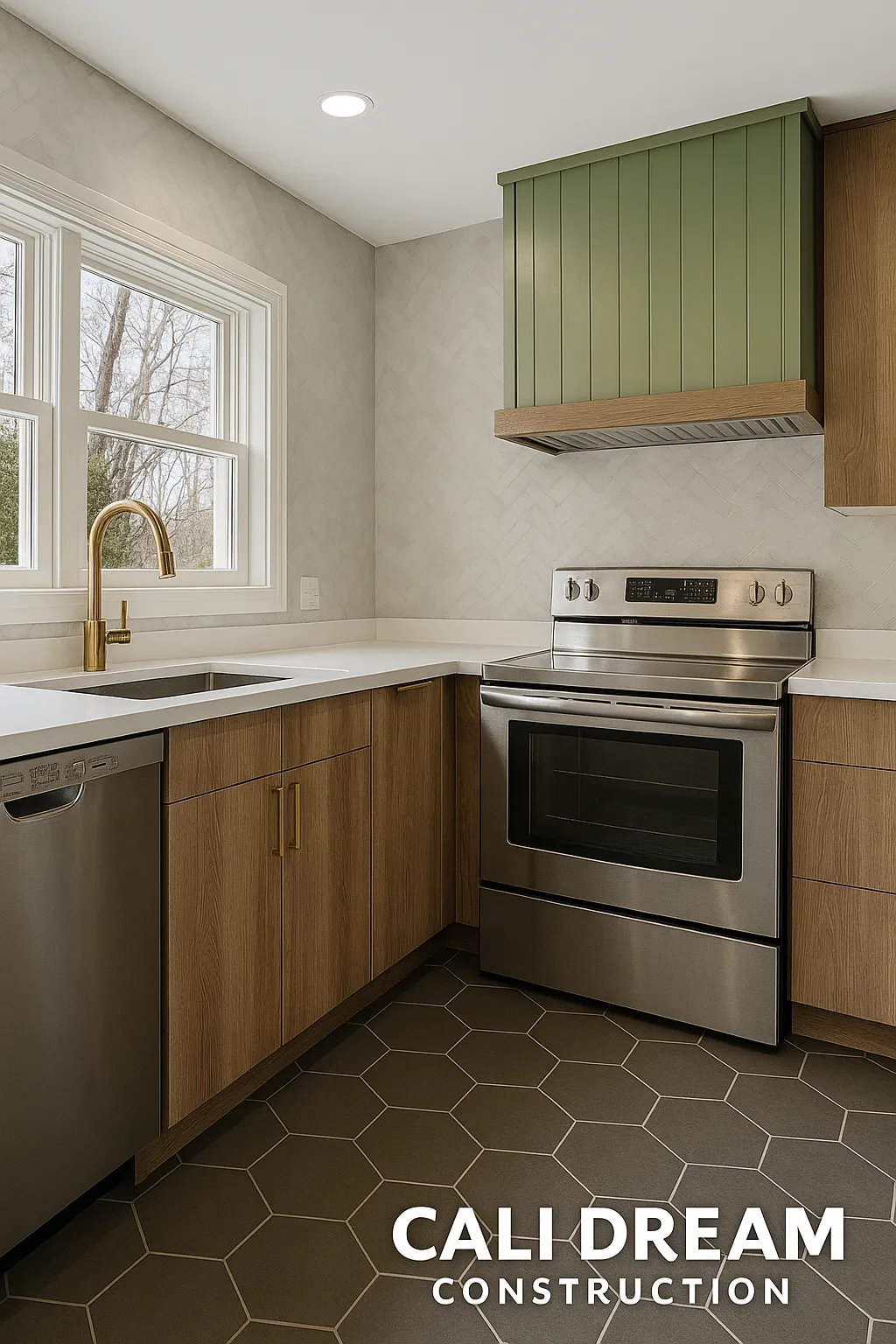
Homeowners often ask how long a kitchen remodel takes as if the answer begins on demolition day. In reality, the most important part of the timeline happens well before anyone swings a hammer. Scope decisions, layout changes, cabinet ordering, appliance coordination, and finish approvals all shape the construction schedule long before the old kitchen comes out. When those decisions happen late, the project feels late even if the crew is working at full pace. Our team serves homeowners throughout Scripps Ranch and greater San Diego County.
Understanding the real timeline means understanding all three phases of a kitchen remodel, not just the visible one.
Phase One: Planning and Design Direction
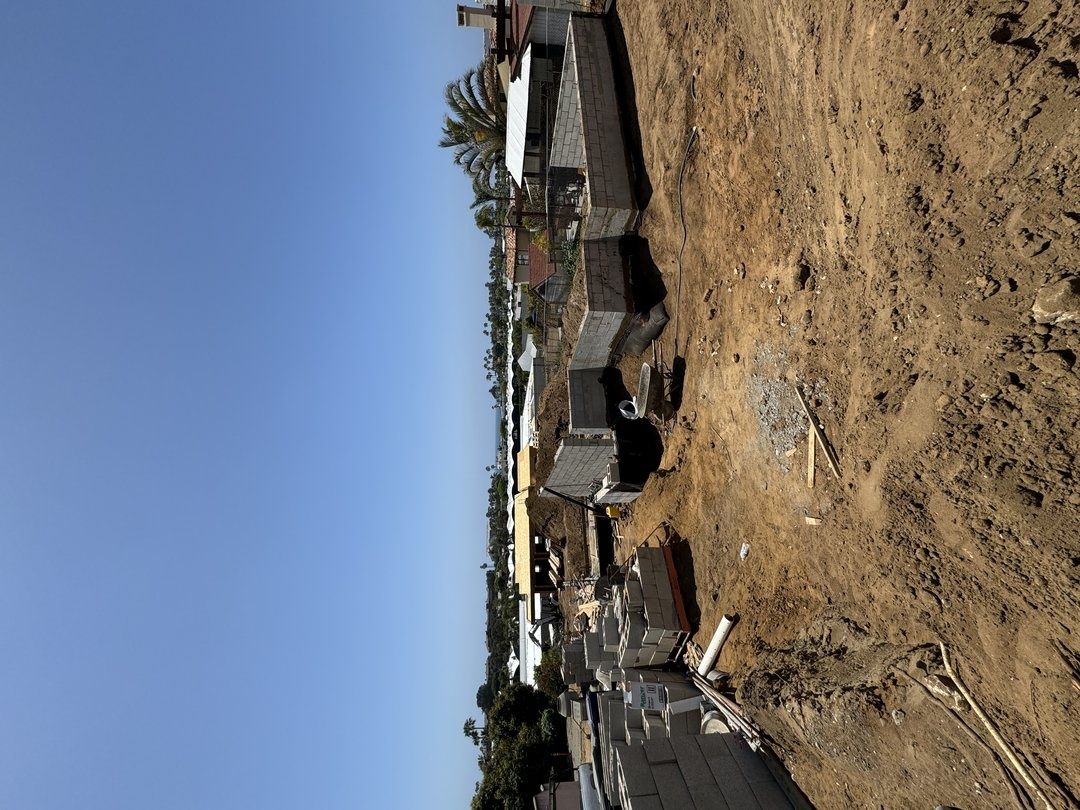
This is where the timeline actually starts. During planning, the homeowner and the design-build team work through the foundational decisions that every other step depends on. That includes site measurements, existing condition review, layout discussion, finish direction, and pricing alignment.(See also: kitchen remodeling in La Jolla)
If the layout is staying largely the same, planning can move faster. A cosmetic update where the footprint does not change requires less design time than a kitchen where walls are moving, plumbing is being relocated, or the connection to adjacent rooms is being rethought.(See also: kitchen remodeling in Solana Beach)
The planning phase is also where the team identifies what kind of permits the project will require, if any. In San Diego, permit requirements depend on the scope of work. Cosmetic changes may not trigger a permit. Electrical, plumbing, or structural modifications typically do. A good contractor will know when permits are needed and build that time into the schedule from the start.(See also: kitchen remodeling in Coronado)
Planning typically takes two to six weeks, depending on the complexity of the layout and how quickly design decisions are made.
Phase Two: Pre-Construction — Ordering, Scheduling, Preparing
Once the plan is set, the project enters pre-construction. This is the phase most homeowners underestimate. It includes ordering cabinetry, confirming appliance delivery dates, coordinating countertop fabrication, scheduling subcontractors, and finalizing any permit applications.
Cabinet lead times are one of the biggest variables. Depending on the manufacturer and the level of customization, cabinets can take anywhere from four to twelve weeks to arrive. Semi-custom and custom cabinetry sit at the longer end. If the cabinet order is not placed until after construction starts, the project will stall.
Countertop fabrication also requires the cabinets to be installed before final measurements are taken, which means counters always follow cabinets in the sequence. Tile, lighting fixtures, plumbing fixtures, and hardware should also be confirmed before construction begins so that nothing is missing when the installers arrive.
Pre-construction typically runs three to eight weeks, driven largely by cabinet and appliance lead times.
Phase Three: The Visible Construction Work
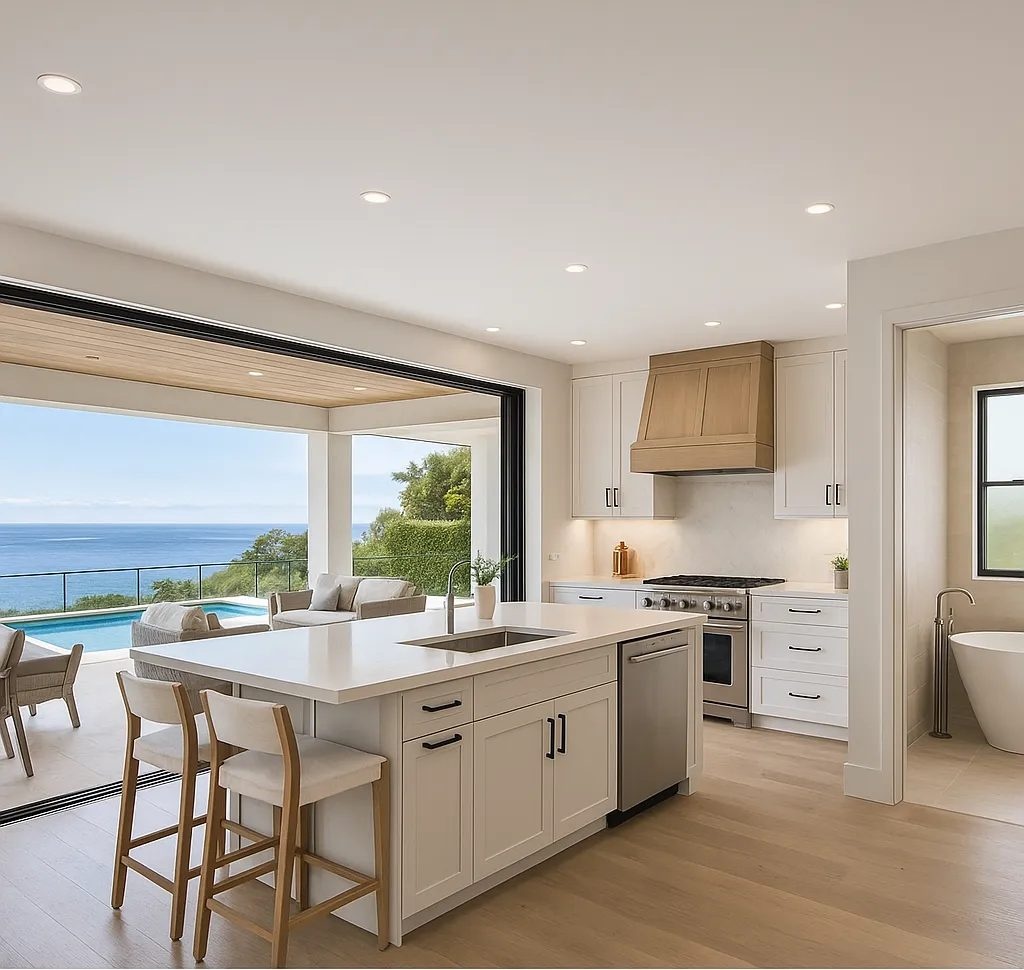
This is the part homeowners think of as "the remodel." It begins with site protection and demolition, then moves through a predictable sequence:
- Demolition and removal. The existing kitchen is taken out. Floors, walls, and ceilings are exposed as needed for the new work.
- Rough work. Plumbing, electrical, and any structural modifications happen now. If walls are moving, this is when new framing, headers, and utility relocations take place.
- Inspections. Rough work is inspected before it gets covered up. In San Diego, the city or county inspector verifies that framing, plumbing, and electrical meet code.
- Drywall, patching, and prep. Walls and ceilings are closed up, taped, and prepped for finishes.
- Cabinet installation. Cabinets are set, leveled, and secured. This step anchors the rest of the kitchen.
- Countertop template and fabrication. Once cabinets are in, the fabricator measures for counters. Fabrication and installation typically take one to two weeks after template.
- Tile, backsplash, and finish work. Backsplash, flooring, trim, and paint happen around and after counter installation.
- Fixture and appliance installation. Plumbing fixtures, lighting, and appliances are connected.
- Punch list and walkthrough. The team reviews every detail with the homeowner, addresses any remaining items, and closes the project.
The construction phase for a mid-range kitchen remodel in San Diego typically runs six to twelve weeks, depending on the scope of work and whether the layout changed.
Most Common Causes of Delay
Kitchen remodel delays rarely come from lazy crews. They usually come from decisions that were not made early enough or dependencies that were not tracked.
- Late selections. If the homeowner is still choosing tile or lighting while trades are already scheduled, the schedule slips. Every finish decision should be locked before construction starts.
- Appliance changes. Switching appliance sizes after cabinets are ordered can require layout adjustments, re-ordering, or field modifications. Appliance choices should be finalized during planning.
- Unforeseen conditions. Older San Diego homes sometimes reveal unexpected plumbing, wiring, or structural conditions behind walls. A good contractor communicates these quickly, documents the change, and adjusts the schedule transparently.
- Lead time surprises. If a material is backordered or a delivery is delayed, the schedule shifts. Tracking lead times during pre-construction reduces this risk significantly.
- Permit processing. Permit timelines vary by jurisdiction and project type. A contractor experienced with San Diego permitting builds realistic timelines around this.
The reason kitchen remodels go sideways is usually not that construction took forever. It is that the project entered construction before the details were ready.
How Homeowners Can Keep the Timeline Healthier

You do not need to become a project manager. But a few habits make a noticeable difference:
- Make finish decisions early. The faster you lock in cabinets, counters, tile, fixtures, and appliances, the fewer schedule gaps the team has to work around.
- Respond to questions quickly. During construction, decisions come up. Responding within a day instead of a week keeps the project moving.
- Trust the sequence. Counters cannot be measured before cabinets are installed. Backsplash cannot go in before counters. Understanding the dependencies helps you understand why certain things take the time they take.
- Ask about the critical path. A good contractor can tell you which tasks drive the overall timeline. Knowing those lets you focus your attention where it matters most.
Ready to Start Your Project?
Get a free estimate from San Diego's trusted design-build contractor. No obligation.