Room Addition Foundations in San Diego: Slab vs Crawlspace and Why It Matters
The Foundation Is The Only Thing That Actually Holds Your New Room Up
Most people look at the kitchen or the new window and think that is the hard part. They forget the ground beneath their feet. If your room addition foundation san diego project fails, the whole house settles. You end up with cracks in the drywall and doors that won't close. I have poured hundreds of concrete slabs in San Diego County. I have dug into the dirt in Clairemont and in Hillcrest. I know what the soil does when it rains.
When you build an addition, you are extending the existing structure. That structure sits on a specific type of ground. If you ignore the foundation type, you ignore the most expensive part of the remodel. You might save money on concrete now, but you pay for it in cracked floors later. This guide covers the slab vs crawlspace addition debate. We will look at the costs, the soil, and the permits. We will also talk about why some contractors will sell you a crawlspace and tell you to pay more for it.
I am Fares Azani. I own Cali Dream Construction. I am not a salesperson. I am a contractor who has held a nail gun and stood on a ladder for twenty years. I want you to build something that lasts. You have a mortgage on a house worth roughly $925,000 in San Diego. You do not want to lose equity because the foundation gave out. Let's get into the specifics.
Key Takeaways
- Slab on Grade: The standard for San Diego. Cheaper, faster, but requires perfect drainage.
- Crawlspace: Rare in San Diego. Only makes sense if you are adding onto a very old home with a crawl already.
- Cost Difference: Slabs run $45-$85 per square foot. Crawlspace adds $15-$30 per square foot for the frame.
- Soil Matters: San Diego clay expands when wet. A bad foundation design cracks your new addition.
- Permits: The San Diego Development Services Department requires specific drainage plans for any slab.
- Title 24: Insulation requirements apply to new foundations differently than older homes.
- Timeline: A slab foundation takes 3-5 days to cure. A crawlspace frame takes 2-3 days but needs settling.
Why The Foundation Choice Changes Your Whole Project

When you ask about an addition foundation type, you are really asking about how you connect the new room to the old house. You are not just building a box. You are integrating two structures that have different histories. One might have been poured in 1955. The other is being poured today. The soil moves. The temperature changes. The ground settles.
In San Diego, we mostly use slab on grade. It is the most common method for a room addition foundation san diego project. It sits on the dirt. It is solid. It is clean. A crawlspace is a different animal. It has beams and columns. It has a floor above it. It has access underneath. In San Diego, we rarely do crawlspace for new additions. Why? Because the humidity and the rain are enough to cause mold in that space. It creates a maintenance headache. You have to check it every year. You have to ventilate it. You pay for a slab once. You pay for a crawlspace maintenance forever.
On a kitchen we did in Clairemont last month, the homeowner wanted to remove a wall. We had to pour a new slab to connect the existing house to the new kitchen. We used rebar to tie the old foundation to the new one. If we had done this without tying them, the new slab would have cracked when the old house settled. That is a risk no one talks about. You are building on the same dirt. That dirt moves.
Many contractors will tell you that a crawlspace is better because you can run plumbing underneath. That is true. But you also run plumbing under a slab. You just need to know where you are drilling. The cost difference is not huge. The labor is the real difference. A slab is faster. You pour it, you cover it, you do not have to wait for a roof to be built over it. That saves time and money.
There is also the issue of insulation. Title 24 energy requirements are strict. You need to insulate the foundation walls. If you go with a slab, you put insulation down in the form of rigid foam. If you go with a crawlspace, you put insulation on the floor joists. Both work. But the crawlspace requires more ventilation. The slab does not. The slab is generally better for San Diego weather. It stays cooler. It stays warmer. It does not collect water.
San Diego Soil Reality: Clay and Water
Download our Free Project Planning Checklist
Get our step-by-step planning guide — the same one we give clients before every project. No spam, just the checklist.
Get the Free ChecklistYou cannot pour concrete on any dirt. The soil must support the weight. In San Diego, we have clay soil in many areas. Specifically in the North County and the coastal zones. Clay expands when it gets wet. It shrinks when it dries. This cycle cracks concrete. If you do not account for this, your new addition will crack. You will see hairline fractures in your drywall. You will see gaps between the floor and the cabinet.
When we dig a hole for a foundation, we test the soil. We look at the density. We look at the drainage. If the ground is too soft, we need to add gravel. We need to compact it. This is called "compaction." It is not a luxury. It is a necessity. If you skip this step, you are gambling with your home's equity.
There is a difference between coastal soil and inland soil. Coastal soil has more moisture. It is more prone to movement. Inland soil is often rockier. It holds up better. But rock is hard to dig. We use a specific type of gravel for the base. It is not just dirt. It is crushed rock that does not hold water. We place it in layers. We compact each layer. This creates a stable base. If you pour concrete on loose dirt, it sinks. It sinks unevenly. That creates stress on the walls.
We have seen homes in San Diego where the owner bought a property with a crawlspace. They wanted to add a room. They tried to convert the crawlspace to a slab. This was a bad idea. The crawlspace had settled. The new slab would not match the old floor. We had to lift the whole house. That cost $15,000 extra. Do not do this. If you have a crawlspace, keep it. If you have a slab, keep it. Mixing them creates a weak point. The connection between the old and new is the strongest part of the structure. Make sure that connection is perfect.
Drainage is the other factor. Water is the enemy of any foundation. You need to grade the soil so it slopes away from the house. If water pools near your addition, the clay expands. It pushes against the concrete. It lifts it. We install French drains in many projects. They are not expensive. They are cheap insurance. A slab foundation in San Diego needs a perimeter drain. A crawlspace needs a vapor barrier. Both need maintenance. The slab needs the drain checked every year. The crawlspace needs the vents clear. Most people forget the vents.
Room Addition Foundation Cost Breakdown For 2026
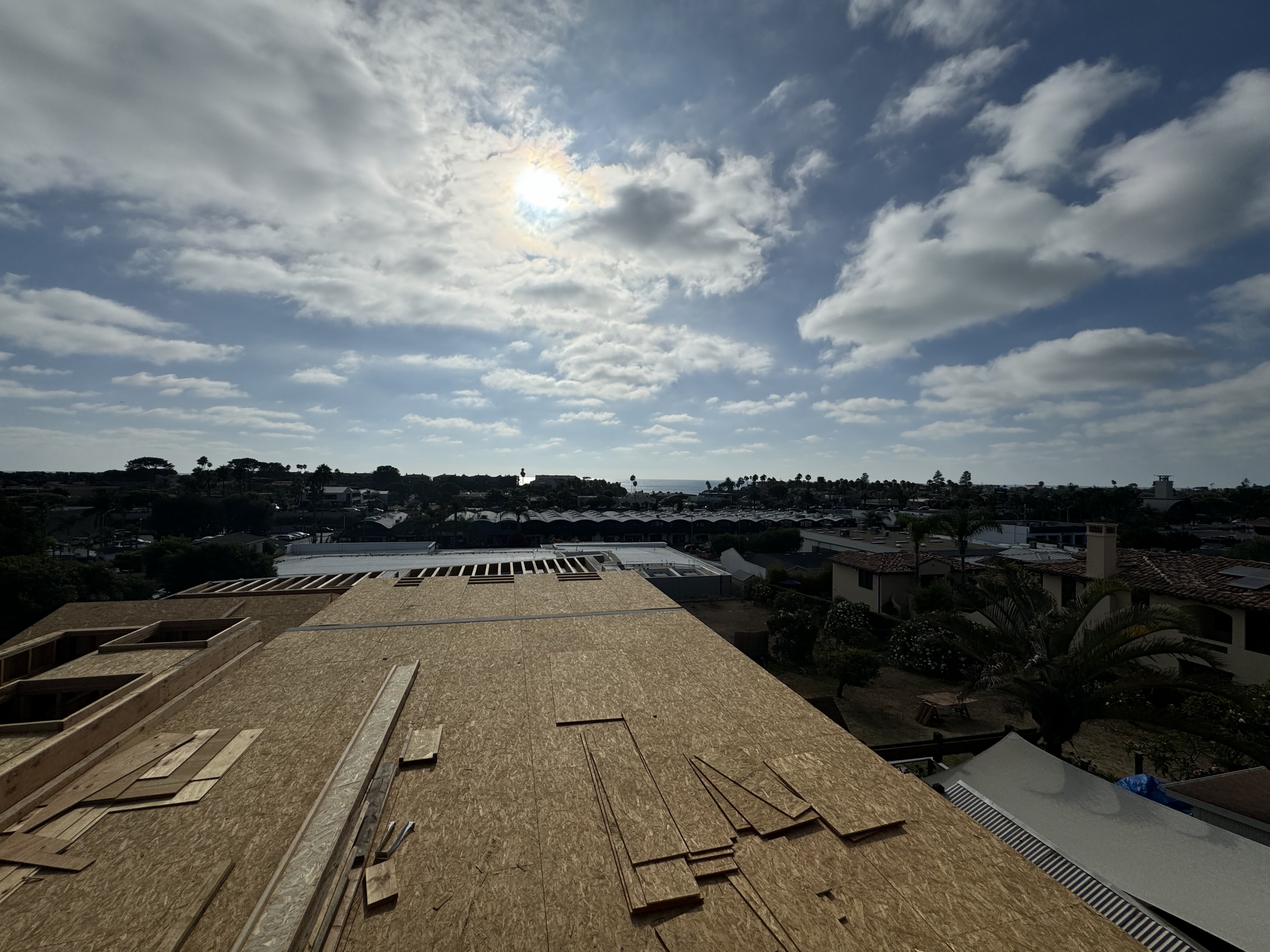
Money talks. You want to know how much it costs to build a foundation. The numbers change based on the neighborhood. They change based on the access. They change based on the soil. Here is what I charge for the foundation work specifically. This does not include the framing or the roof. It is just the concrete and the soil work.
For a slab on grade, the cost is usually between $45 and $85 per square foot. This includes the excavation, the gravel base, the rebar, and the concrete pour. If you need a crawlspace, the cost goes up. The framing takes longer. The labor is more complex. You are building a structure underneath the floor. It is harder to work in a tight space.
When you do a full room addition, the total project cost includes the foundation. A kitchen remodel is $25K-$85K. A bathroom is $12K-$50K. If you are doing a full addition, the foundation is a big part of the budget. Do not hide the cost of the slab. It is not optional. You need a foundation to stand on.
Permits are another cost. Minor permits are $200-$500. Major permits are $2K-$8K. This depends on the size of the addition. The San Diego Development Services Department handles these. They charge for the plan review. They charge for the inspection. If you change the plumbing, that is a major permit. If you just pour a slab to connect two rooms, that is a minor permit. But you still pay the fee.
Here is a breakdown of the specific costs for the foundation and the surrounding work. These are real numbers from my job sites in 2026.
| Item | Cost Range | Notes |
|---|---|---|
| Slab Foundation (Pour) | $45 - $85 / sqft | Includes gravel base and rebar |
| Gravel Base Material | $2 - $4 / sqft | Depends on local delivery |
| Rebar / Mesh | $1 - $3 / sqft | Required for structural integrity |
| Excavation | $10 - $25 / sqft | Includes backfill and cleanup |
| Permit Fees | $200 - $8,000 | Varies by project size |
| Drainage System | $500 - $2,000 | French drain installation |
| Vapor Barrier (Crawlspace) | $0.50 / sqft | Required to prevent moisture |
| Concrete Labor | $15 - $30 / sqft | Includes finishing and curing |
These numbers are for the foundation work. They do not include the cost of the walls or the roof. A full room addition costs more. If you are building a wine room addition remodel, the foundation cost is just one part. You also need the plumbing, the electrical, and the finish. The total cost for a full addition is higher. But the foundation is the base. You cannot build on a weak base.
If you need a slab that is thicker, the price goes up. A standard slab is 4 inches. A heavy load slab is 6 inches. That costs more concrete. It costs more labor. But it is stronger. In San Diego, we usually stick to 4 inches. It is enough for a house. If you need more, we use a structural engineer to approve it. Do not guess. Guessing with concrete is expensive.
Clairemont Spotlight: Mid-Century Foundations
Clairemont has a specific history. The homes there are from the 1950s and 1960s. They were built differently than homes today. They often had a concrete slab that was poured directly on the dirt. They did not have a crawlspace. They did not have a basement. If you want to add a room in Clairemont, you need to match that style. You need to match that foundation.
Textbook mid-century homes have a specific look. Removing walls for open concept is the top two projects there. Updating flat roofs is the other. If you are adding a room, you are extending the footprint. The foundation must match. If you pour a new slab, it must tie into the old one. If the old one is cracked, you need to repair it. You cannot pour on top of a cracked slab. The weight will cause the crack to spread.
I always tell my clients in Clairemont to check the perimeter drain. The old houses often had poor drainage. Water used to pool in the yard. Now the houses are older. The soil has settled. If you add a room, you change the load. You need to make sure the soil can hold the new weight. We use a specific type of gravel for the base. It is not just dirt. It is crushed rock. It drains water better.
There is also the issue of the roof. Many of these homes have flat roofs. They are prone to leaks. If you add a room, you might need to extend the roof. That requires a new foundation support. The roof load is heavy. You need to make sure the new slab can hold the new roof. Do not just pour a slab. You need to calculate the load. If you add a second floor, you need a stronger foundation. If you just add a room, a standard slab is fine.
On a kitchen we did in Clairemont last month, the homeowner wanted to remove a wall. We had to pour a new slab to connect the existing house to the new kitchen. We used rebar to tie the old foundation to the new one. If we had done this without tying them, the new slab would have cracked when the old house settled. That is a risk no one talks about. You are building on the same dirt. That dirt moves. We repaired the old slab first. We cleaned out the dirt. We added gravel. We poured new concrete. It took three days. But it was worth it. The house is solid now. The floors are level. The doors close properly.
Another thing to note in Clairemont is the neighborhood value. The median home value is high. You want to protect that value. A cracked foundation lowers the value. A solid foundation keeps it. When you sell, the inspector will check the foundation. If they find cracks, the buyer will ask for a discount. Do not let that happen. A good foundation is the best investment you make. It costs money now. It saves money later.
What Other Contractors Won't Tell You

There are secrets in this business. Some contractors will hide them. They will hide the cost of drainage. They will hide the cost of soil testing. They will tell you that the permit is free. It is not. They will tell you that you can pour concrete on any dirt. You cannot. Here are the honest insights I give my clients.
First, the hidden cost of drainage. A slab needs a perimeter drain. It needs a French drain around the house. Most contractors skip this. They say it is not needed. It is needed. Water comes from the street. Water comes from the rain. It flows toward the house. If it flows toward the house, it pools. It lifts the concrete. You need the drain to move water away. This costs $500-$2,000. It is a small price. If you skip it, you pay for cracks later. Cracks cost $5,000 to fix. It is better to pay for the drain now.
Second, the soil report. Many contractors do not check the soil. They just pour. This is a gamble. If the soil is bad, the slab fails. We do a soil test. It costs $500. It tells us what we need. It tells us if we need gravel. It tells us if we need a thicker slab. Do not skip this step. It is part of the foundation work. It is not optional. If you do not know the soil, you are guessing. Guessing with concrete is expensive.
Third, the timeline. Contractors say it takes a week. It takes longer. The concrete needs to cure. It needs to dry. If you put a floor on top too soon, it cracks. The curing takes 28 days for full strength. You can walk on it in a week. But the strength takes longer. You need to plan your project around this. Do not plan your move-in date too soon. The framing can happen. The drywall can happen. But the floor needs time. If you rush it, you get cracks.
Fourth, the access. If you have a narrow driveway, the truck cannot fit. If you have no parking, the truck cannot stay. This affects the price. We need space for the truck. We need space for the pump. If you have a small yard, we need to come back in two trips. That costs more. Do not hide the access issues. Tell the contractor. If they say it is no problem, it is a problem. They will not be able to get the truck in. You will have to pay for extra labor.
Fifth, the tie-in. When you connect a new slab to an old one, you need a tie. You need a lap splice. This is where the old concrete meets the new. It is the weakest point. If you do not tie it, it will crack. You need to dig out the dirt between them. You need to clean it. You need to put rebar in it. This is not visible. It is under the floor. But it is critical. If you skip this, you get cracks. Cracks look bad. Cracks mean the house is moving. Cracks mean the foundation is failing.
These are the things other contractors ignore. They focus on the finish. They focus on the paint. They focus on the cabinets. They ignore the dirt. The dirt is the base. The dirt is the foundation. If the dirt is bad, the house is bad. You need to fix the dirt first. Then you pour the concrete. Then you build the walls. That is the right order. Most contractors do it wrong. They pour first. Then they build. Then they find cracks. It is too late then.
Mistakes I See All The Time
I have been building for twenty years. I have seen every mistake in the book. I have seen people pour concrete without a plan. I have seen people skip the gravel. I have seen people ignore the drainage. Here are the mistakes I see on real job sites. These are not theoretical. These are real.
Mistake one: Skipping the soil test. This is the biggest one. You walk onto a site. You see the dirt. You think it is fine. It is not. You need to test it. If it is clay, you need gravel. If it is sand, you need something else. If you skip the test, you guess. You guess wrong. The slab sinks. You end up with a cracked floor. You pay to fix it. You pay to lift the house. It costs more than the test.
Mistake two: Poor drainage design. You pour the slab. You forget the drain. Water pools near the house. The clay expands. The slab lifts. You see cracks. You see gaps. You call a contractor. They say it is too late. You need to fix the drainage. You need to redo the slab. It is a nightmare. You could have avoided it with a drain. It is cheap. It is easy. Most people skip it.
Mistake three: Rushing the cure. You pour the concrete. You put the floor on top. You paint the floor. You walk on it. The concrete is not dry. It is weak. The floor cracks. The paint peels. You waste money. You waste time. The concrete needs 28 days. Plan for that. Do not rush it. Let it cure. Let it dry.
Mistake four: Forgetting the vapor barrier. If you do a crawlspace, you need a vapor barrier. If you do a slab, you need a vapor barrier underneath. If you skip it, moisture gets in. You get mold. You get rot. You get bad air quality. You need the barrier. It is cheap. It is a plastic sheet. You put it down before you pour. It stops the moisture. Do not skip it.
Mistake five: Ignoring the tie-in. You pour a new slab. You connect it to the old house. You do not tie them. You do not use rebar. The two slabs move independently. You get a crack. You get a gap. You get a door that sticks. You need to tie them. You need to dig out the dirt between them. You need to clean it. You need to put rebar in it. This is the only way to make them act as one unit. If you do not, you have two separate foundations. That is not how a house works. It needs to be one unit.
These mistakes happen every day. Contractors make them. Homeowners make them. You can avoid them. Read this guide. Ask questions. Do not let them rush you. If they say you do not need a test, you need to find another contractor. If they say you do not need a drain, you need to find another contractor. If they say you can pour on any dirt, you need to find another contractor. You need to find someone who knows the soil. You need to find someone who knows the foundation. That is me. I know the foundation. I know the soil. I know the mistakes. I do not make them. I avoid them. That is why I have a 4.9-star rating. I do not make these mistakes. You should not either.
Pro Tips From 200+ Projects
I have done 200+ remodeling projects. I have learned a lot. I have learned what works. I have learned what does not. Here are the tips I give my clients. These are not from a book. They are from my experience. They are from the job sites.
Tip one: Check the existing slab. If you are adding to an old house, check the existing slab. Look for cracks. Look for settling. If the old slab is bad, fix it before you pour. Do not pour on top of a bad slab. The weight will break it. You need to cut out the bad part. You need to pour new concrete there. Tie it to the new concrete. This is how you fix a bad foundation. You do not ignore it. You fix it. It takes more work. But it saves you money later.
Tip two: Use rigid foam insulation. Title 24 requires insulation. Use rigid foam. It is better than fiberglass. It is more durable. It stays in place. It does not sag. It does not rot. It keeps the foundation cool. It keeps the foundation warm. In San Diego, the foundation needs to stay stable. Temperature changes cause expansion and contraction. Insulation helps. Rigid foam is the best. It is a bit more expensive. But it is worth it. It saves energy. It keeps the house comfortable.
Tip three: Grade the soil. Make sure the ground slopes away from the house. Use a level. Measure it. If it slopes toward the house, you have a problem. You need to add soil. You need to grade it. This is not hard work. It is just dirt. You move it. You pile it. You make it slope. It keeps water away from the foundation. Water is the enemy. Keep it away. Grade the soil. Check it every year. If you see puddles, fix them.
Tip four: Plan for access. Make sure the truck can get in. Make sure the pump can get in. If you have a narrow driveway, tell the contractor. If you have no parking, tell the contractor. If you have a gate, tell the contractor. These details matter. They affect the price. They affect the schedule. Do not hide them. Tell the contractor. If they say it is no problem, they are lying. They will not be able to get the truck in. You will have to pay for extra labor. Tell them now. It saves you time later.
Tip five: Let the concrete cure. Do not put a floor on it too soon. Do not walk on it too soon. Let it dry. The strength comes over time. Do not rush it. If you need to move in, wait. If you need to paint, wait. The floor needs to be stable. If it is not stable, it will crack. Let it cure. It takes 28 days. Plan your project around that. Do not try to beat the clock. The clock beats you if you rush. Let it cure. It makes the house stronger. It makes the house last longer.
Tip six: Hire a structural engineer for big projects. If you are adding a second floor, hire an engineer. If you are changing the foundation, hire an engineer. They know the codes. They know the soil. They know the load. They design it right. Do not guess. Guessing is dangerous. An engineer is worth the cost. They save you money. They save you headaches. They ensure the house is safe. Do not skip the engineer for a big project.
Tip seven: Use local materials. The gravel needs to be local. The concrete needs to be local. The truck needs to be local. It saves time. It saves money. It saves the environment. Use local materials. They are better for the soil. They are better for the project. Do not ship materials from far away. It takes too long. It costs too much. Use local materials. It makes the project easier. It makes the project faster. It makes the project cheaper.
Frequently Asked Questions
Q: What is the cost difference between a slab and a crawlspace for a room addition?
The cost difference depends on the labor. A slab is usually cheaper because you pour it in one day. A crawlspace takes more time. You have to build the frame. You have to install the vapor barrier. You have to install the insulation. A slab costs about $45 to $85 per square foot. A crawlspace adds $15 to $30 per square foot for the frame. The total difference is not huge. But the labor is the main cost. A slab is faster. It is done in 3 to 5 days. A crawlspace takes 2 to 3 days for the frame. But you have to wait for the roof. You have to wait for the walls. The slab is generally better for San Diego. It does not collect water. It does not need ventilation. A crawlspace needs ventilation. You have to check it every year. The slab is a one-time cost. The crawlspace is a maintenance cost. If you want to save money, go with a slab. If you have a crawlspace already, keep it. Do not mix them. It creates a weak point.
Q: How do I handle the tie-in between the old house and the new addition?
You need to dig out the dirt between the old slab and the new slab. You need to clean it. You need to put rebar in it. You need to pour the new concrete. You need to tie the old concrete to the new concrete. This is called a lap splice. If you do not tie them, they will crack. The two slabs will move independently. You will get a crack. You will get a gap. You will get a door that sticks. You need to tie them. This is the only way to make them act as one unit. You need to use rebar. You need to use mesh. You need to make sure the connection is strong. This is not optional. It is the most important part of the foundation. If you skip this, you have two separate foundations. That is not how a house works. It needs to be one unit. If you do not tie
Ready to Start Your Project?
I'm Fares Azani, and my team at Cali Dream Construction has completed 200+ remodels across San Diego. We'd love to help with yours.
Or request a free estimate online | License CSLB #1054602
Get Your Free Estimate — 60 Seconds
Tell us about your project. Licensed contractor will reach out within 24 hours. No spam.
Next Cost And Scope Planning
Use these related guides and project examples to turn the topic above into a realistic budget, scope, and permit plan.
Ready to Start Your Remodel?
Get a free estimate from San Diego's trusted design-build contractor. CSLB #1054602.
Or call now: (858) 434-7166
Kitchen Remodeling Bathroom Remodeling ADU Construction Deck Building Free Estimate