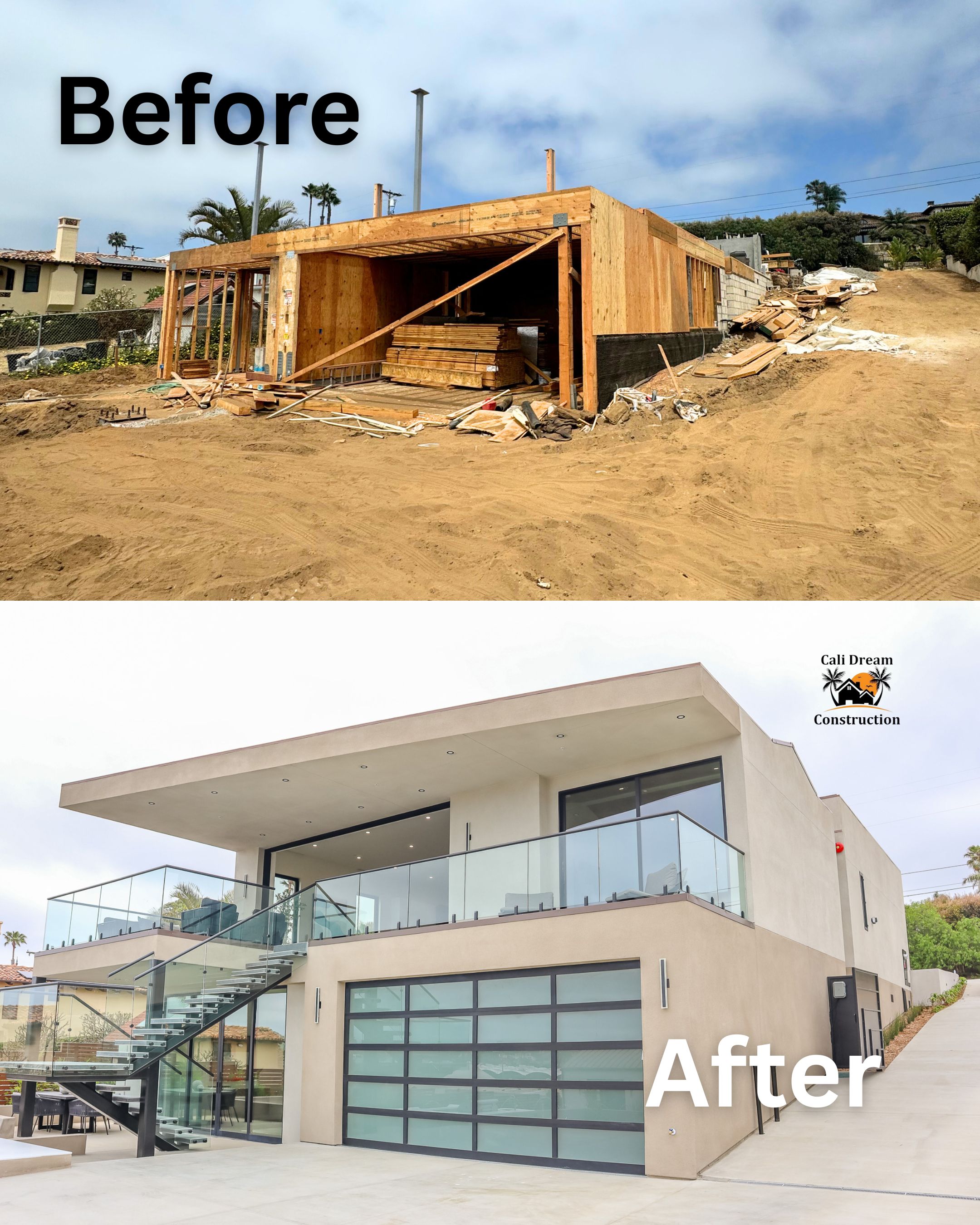
If you want fewer surprises, start with documentation. Photos, measurements, and a written scope are powerful.
Mini scenario: Imagine you are planning compare contractor bids. The best results come from clear scope, early decisions, and a calm sequence that respects lead times and inspections.
Designer lens
Focus on hide storage in plain sight with intentional layout so the result feels coherent and easy to maintain.
Remodel planning map
Goal and scope
Layout and selections
Permits and schedule
Build sequence
Punch list and closeout
Related search phrases
- compare contractor bids planning
- compare contractor bids checklist
- compare contractor bids cost drivers
- compare contractor bids timeline
- compare contractor bids mistakes to avoid
Key takeaways
- Keep contingency for unknowns
- Align scope before comparing price
- Approve changes in writing before work continues
- Set allowances that match your taste level
- Protect two priorities and simplify the rest
What it is
How to compare contractor bids using allowances and scope alignment is a planning topic. The goal is not to memorize rules. The goal is to make decisions in the right order so the build is predictable.(See also: whole home remodel in Coronado)
Why it matters
When this is planned well, your project feels calmer. The schedule becomes easier to protect and the budget becomes easier to control.
Step by step approach
- Set a realistic maximum investment and two protected priorities
- Order long lead items early to avoid schedule costs
- Write inclusions and exclusions in plain language
- Track changes in writing before work starts
- Set allowances that match your taste level
- Close out with warranties and maintenance notes
- Keep contingency for unknowns
Use this list as a decision sequence. Planning time is cheaper than construction time.
Deep dive

Bid comparison method
Compare scope first. Then compare allowances. Then compare schedule and protection. The price is last.(See also: cost & budget in Solana Beach)
Ask each bidder to confirm inclusions, exclusions, allowances, and the change order approval rule in writing.
Scope starter
If you need to request bids or align expectations, use this starter scope template and customize it for your project.
Remodel scope starter
Rooms included and excluded
Layout changes and utility moves
Cabinetry and countertop scope
Tile and waterproofing scope
Flooring and trim scope
Lighting and electrical scope
Plumbing fixtures scope
Paint and finish scope
Protection and cleanup expectations
Closeout and warranty documentation
San Diego considerations
Permits depend on scope and jurisdiction. Structural, plumbing, and electrical changes often require approvals.(See also: adu construction in La Mesa)
San Diego note
If your project is in San Diego County, confirm requirements with the City or County office that covers your address.
Decision matrix
Use this quick matrix to choose an approach that fits your priorities.
| Option | Best for | Tradeoffs |
|---|---|---|
| Protect priorities | Keeps satisfaction high | Requires simplifying elsewhere |
| Maximize square footage | More space | Can increase complexity and cost |
| Upgrade finishes | Higher perceived value | May affect timeline and budget |
Cost and timeline drivers
Most surprises are predictable when you know where they come from. Use these lists to plan and to compare options.
Cost drivers

- Permit requirements and inspection coordination
- Layout changes that move plumbing or electrical
- Lead times that force substitutions or waiting
- Finish level decisions like cabinetry, tile complexity, and stone
- Living in the home during the remodel which adds protection and phasing
- Custom work such as built ins and detailed trim
- Hidden conditions in older homes such as rot or outdated wiring
- Access constraints like stairs, parking, and long carries
Timeline drivers
- Dry and cure times for drywall, paint, tile, and waterproofing systems
- Late decisions that stop work while waiting
- Permit review and inspection windows
- Long lead items such as cabinets, windows, tile, and specialty fixtures
- Trade sequencing conflicts and rework
Planning tip
Documentation reduces unknowns. Unknowns create cost and schedule risk.
Documents to gather
Projects move faster when the right information is ready. This list is a practical starting point.
- Product selections or allowance assumptions
- Closeout folder with warranties and manuals
- A written scope list of inclusions and exclusions
- Photos and measurements of existing conditions
- Permit paperwork and inspection approvals
- Inspiration images and palette direction
- A decision calendar and communication plan
Questions to ask
- What is the payment schedule and what triggers each payment
- What is included and excluded in the scope
- How will you protect the home and manage cleanup
- What allowances are assumed and what quality level do they represent
- How are change orders priced and approved
- What contingency do you recommend for this home age and scope
- What long lead items could affect cost or schedule
Red flags
- No clear change order approval rule
- Communication expectations are not defined
- No daily protection and cleanup plan
- Scope is vague and bids are not comparable
- Unrealistic timeline that ignores permits and lead times
- Allowances do not match your taste level
Checklist
- Protection plan and communication rhythm set
- Existing conditions photographed and measured
- Inspection milestones planned
- Goal and priorities written in one page
- Closeout folder planned for manuals and warranties
- Decision calendar created for long lead items
- Scope and allowances defined in writing
Common mistakes
- Approving changes verbally without documentation
- Ignoring lead times for long lead materials
- Assuming inspection timing will be instant
- Skipping protection and cleanup expectations
- Comparing bids that do not share the same scope
- Overcomplicating design with too many materials
- Starting work before key selections are decided
FAQs

Do I need permits
It depends on scope and jurisdiction. Structural, plumbing, and electrical changes often trigger permits.
What should I keep after the project
Keep warranties, manuals, inspection approvals, and product information for future maintenance.
How do I keep budget under control
Make selections early, align allowances with taste level, and document changes in writing.
Should I live at home during the remodel
It depends on scope. For kitchens and major baths, consider a temporary plan for cooking and hygiene.
What causes delays most often
Long lead items, inspection windows, and late decisions. A decision calendar is the simplest schedule tool.
What is the first step for compare contractor bids
Define your goal and scope, then document existing conditions with photos and measurements.
How do I know the work is high quality
Look for clean details, consistent alignments, proper protection, and a documented closeout.
Glossary
- Allowance: A budget placeholder for a product not selected yet
- Punch list: A final list of small items to complete before closeout
- Closeout: Turnover documents, final approvals, and warranty
- Lead time: Time between ordering and delivery
- Scope: The written list of what is included and excluded
- Rough in: Work inside walls before drywall and finishes
- Change order: A written change to scope with cost and time impact
Helpful resources
Related guides
- Paint palette whole home consistency: a calm designer method
- Interior doors and trim upgrade guide: details that make a home feel custom
- Living at home during a remodel: practical planning for kitchens and baths
- Aging in place remodel planning: safety, comfort, and timeless style
- Water damage rebuild sequence and prevention: stop the source before finishes
- Allowances explained for homeowners: how to avoid surprise upgrade costs
Next steps
If you want a clear scope, realistic schedule, and professional execution, reach out to Cali Dream Construction.
Free downloads
Ready to Start Your Project?
Get a free estimate from San Diego's trusted design-build contractor. No obligation.