By Cali Dream Construction | April 29, 2026 | CSLB #1054602
Building an Accessory Dwelling Unit in San Diego is one of the smartest investments a homeowner can make in 2026. Whether you want rental income, a space for aging parents, or a home office that is truly separate from the main house, an ADU adds both function and property value. But before construction begins, you need to navigate the permit process. Here is exactly how it works in San Diego County.
What Is an ADU and What Types Are Allowed in San Diego?
An Accessory Dwelling Unit is a secondary residential unit on a single-family lot. San Diego allows three main types:
Detached ADU: A standalone structure separate from the main house, up to 1,200 square feet.
Attached ADU: An addition built onto or within the existing home, up to 1,200 square feet or 50 percent of the primary dwelling's floor area, whichever is greater.
Junior ADU (JADU): A smaller unit of up to 500 square feet created within the existing footprint of the primary dwelling.
California state law (AB 68, SB 13, and subsequent legislation) has significantly streamlined ADU regulations. San Diego has aligned its municipal code with these state mandates, making it easier than ever to add a unit to your property.
Step 1: Determine Your Property's Eligibility
Before investing in plans, verify that your property qualifies. Most single-family residential lots in San Diego are eligible for at least one ADU. Key factors to confirm include:
The lot is zoned for residential use
You have adequate setbacks (typically 4 feet for rear and side yards for detached ADUs)
You can meet utility connection requirements
The existing structure meets minimum safety standards
You can check your property's zoning and lot dimensions through the City of San Diego's Development Services Department or by using the online zoning lookup tool.
Step 2: Design and Plan Preparation
Try Our Free ADU Cost Calculator
Get an instant cost estimate for your project — no signup required.
Once eligibility is confirmed, you will need architectural plans. Your ADU plans must include:
Site plan showing the ADU location relative to the main house and property lines
Floor plan with dimensions, room labels, and fixture locations
Elevations showing exterior appearance and height
Structural engineering details including foundation and framing
Electrical, plumbing, and mechanical plans
Title 24 energy compliance documentation
Working with an experienced design-build contractor simplifies this process significantly. At Cali Dream Construction, we handle the entire design and engineering phase in-house, ensuring plans are code-compliant before submission.
Step 3: Submit Your Permit Application
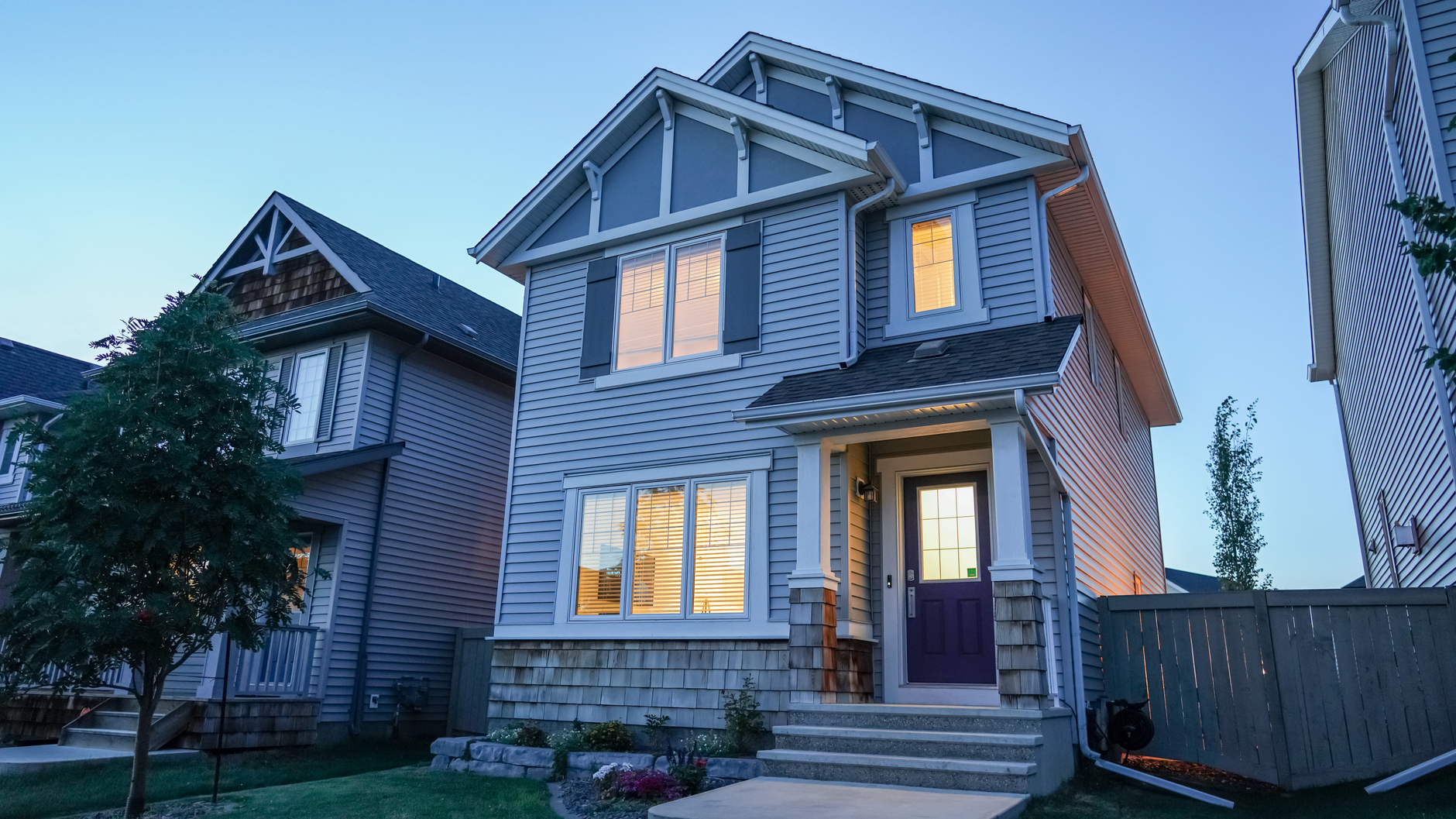
Photo by Daven Hsu via Pexels
In San Diego, ADU permit applications are submitted through the Development Services Department. The application package includes:
Completed permit application form
Three sets of plans
Title 24 energy calculations
Soils report (if required by your lot conditions)
Application fees
ADU Permit Fees in San Diego (2026)
San Diego has reduced ADU permit fees in compliance with state law. For most ADU projects, total permit and plan check fees range from $3,000 to $8,000. Impact fees for ADUs under 750 square feet are waived entirely. Larger units may have reduced impact fees depending on the jurisdiction within San Diego County.
Step 4: Plan Review Timeline
California law requires cities to approve or deny ADU applications within 60 days of receiving a complete application. In practice, San Diego's Development Services Department has been processing most ADU applications within 4 to 8 weeks as of early 2026. If your plans require corrections, the clock resets after resubmission, so getting plans right the first time saves weeks.
Step 5: Permit Issuance and Construction
Once your plans are approved, you pay any remaining fees, and the building permit is issued. Construction can begin immediately. During construction, you will need to schedule inspections at key milestones:
Foundation inspection before pouring concrete
Framing inspection after structural work is complete
Rough plumbing, electrical, and mechanical inspections
Insulation and energy inspection
Final inspection before occupancy
Step 6: Final Approval and Certificate of Occupancy
After passing the final inspection, the city issues a Certificate of Occupancy or final sign-off. At this point, your ADU is legally habitable. You can begin renting it, using it for family, or enjoying it however you choose.
Common ADU Permit Pitfalls in San Diego
Incomplete applications: Missing documents are the number one cause of delays. A complete application package submitted the first time is critical.
Setback miscalculations: Even small errors in measuring setbacks can result in plan rejections.
Utility capacity: Some older neighborhoods may need sewer or water line upgrades. Identifying this early prevents costly surprises mid-project.
HOA restrictions: While state law limits HOA authority over ADUs, some HOAs still attempt to impose restrictions. Understanding your rights is important.
How Much Does an ADU Cost to Build in San Diego in 2026?
Total project costs for a new detached ADU in San Diego typically range from $150,000 to $350,000 depending on size, finishes, site conditions, and utility connections. A garage conversion ADU is generally less expensive, ranging from $80,000 to $180,000. These numbers include design, permits, and construction.
Cali Dream Construction has guided dozens of San Diego homeowners through the ADU permit and construction process. We handle everything from initial feasibility to final inspection, serving Carlsbad, Oceanside, Vista, San Marcos, Escondido, Encinitas, and all of San Diego County.
From San Diego's licensed contractors — CSLB #1054602
FOR CONTRACTORS & AGENCIES
Get All 6 Calculators On Your Site — $39 One-Time
Embed the full Remodeling Pro bundle (kitchen, bath, ADU, addition, garage, full remodel) on your own site. One payment, lifetime access. Same product Westlake Remodel uses.