San Diego Building Permits Explained by a Contractor Who Pulls Them Weekly
Cali Dream Construction, a San Diego County general contractor (CSLB #1054602). Call (858) 434-7166.
What Requires a San Diego Building Permit (And What Doesn't)
If you've ever stood in your kitchen wondering whether your tile backsplash or that new electrical panel really needs a permit, you're not alone. I get this question every week from homeowners in San Diego County, and the honest answer is: most projects beyond pure cosmetic work require a san diego building permit. The trick is knowing which work crosses the line from "swap and paint" into "needs approval."
Painting, replacing cabinets in the same footprint, swapping faucets, and laying new flooring usually don't need a permit. But the moment you touch structure, plumbing lines behind walls, electrical circuits, or add square footage, you're in permit territory. I've watched homeowners in La Jolla get stopped mid-project because they skipped a permit on a bathroom reconfiguration, and the tear-out cost them more than the permit would have.
Key Takeaways
- A san diego building permit is required for structural, electrical, plumbing, and square footage changes, not for cosmetic work.
- City of San Diego and the County (PDS) run two separate permit systems, and your address decides which one you use.
- Plan review fees and permit issuance fees are two different line items, most homeowners conflate them.
- Impact fees, school fees, and sewer/water connection charges can add 20-40% on top of base permit costs.
- Homeowners can pull their own permits, but they assume liability for code compliance and inspection scheduling.
- Title 24 energy compliance is non-negotiable for most remodels and additions in 2026.
- Working with a licensed contractor streamlines the ePlans submission process and reduces rejection cycles.
2026 San Diego Permit Fee Breakdown: How Costs Are Calculated
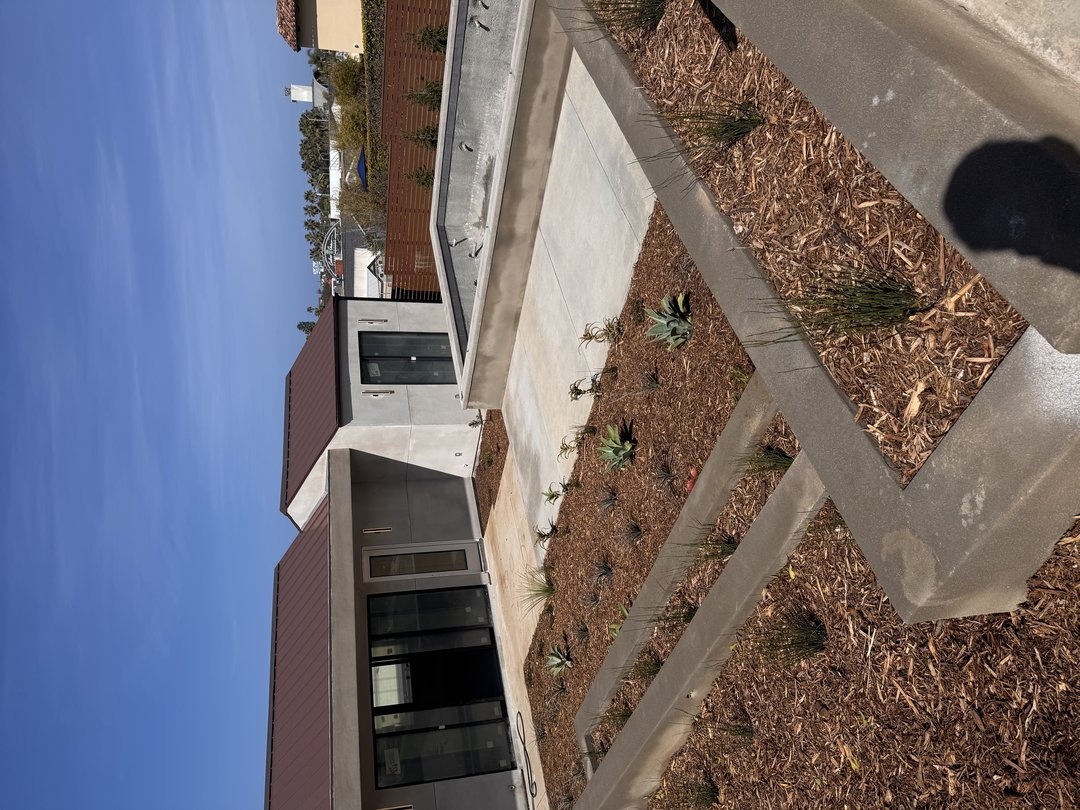
The City of San Diego Development Services Department sets permit fees using a combination of project valuation, square footage, and a flat administrative charge. The base permit fee alone is rarely what you'll pay. Most homeowners are surprised when the final invoice arrives because they didn't plan for plan review, impact, and utility fees stacked on top.
For 2026, the City uses a tiered valuation model. Smaller jobs (under $25,000 in construction value) often fall under a minimum fee structure, call it roughly $200 to $500 for minor work like a water heater replacement or electrical panel upgrade. Mid-range remodels in the $45K, $85K range typically trigger fees between $1,500 and $3,500 for the permit itself, before any impact charges kick in.
Here's the part most online guides skip: plan review fees are separate from permit issuance fees. Plan review pays the plan checker to verify your drawings meet code. Issuance is the actual permit document. You pay plan review first, and if your plans fail review, you pay again for each resubmission. I've seen plans bounce three times because the Title 24 energy compliance documentation was incomplete, each cycle adds cost.
| Base Permit Fees by Project Type | |||
|---|---|---|---|
| Project Type | Plan Review Fee (Fixed) | Permit Fee (Per Sq Ft) | Estimated Total Range |
| Kitchen remodel (mid-range) | $450, $1,200 | $1.50, $3.00 | $1,500, $3,500 |
| Bathroom remodel | $300, $800 | $1.25, $2.50 | $800, $2,200 |
| Room addition (200 sq ft) | $1,800, $3,500 | $2.50, $5.00 | $4,500, $9,000 |
| ADU (detached, 750 sq ft) | $2,500, $5,000 | $3.00, $6.00 | $8,000, $18,000+ |
| New construction (per sq ft) | Valuation-based | $4.00, $8.00 | $15,000, $40,000+ |
Permit Cost Ranges by Project Type (ADU, Remodel, New Construction)
Let me put real numbers against the work you're probably planning. A kitchen remodel with mid-range quartz countertops ($50, $120/sqft installed) typically runs $25K, $85K total project cost, with permit fees landing between $1,500 and $3,500. Bathrooms usually hit $12K, $50K+ in total cost, with permits around $800, $2,200 depending on whether you're relocating plumbing.
ADUs are where permit fees get spicy. Detached ADUs in the 750 sq ft range commonly carry permit and impact fees totaling $8K, $18K+. San Diego County offers fee waivers for certain ADU categories under state law, but the waiver typically applies to impact fees only, not plan review or the base permit.
New construction is its own beast. Single-family builds in coastal zones like Del Mar or Encinitas often hit $15K, $40K+ just in permit and impact fees before a single nail is driven. Inland builds in El Cajon or Lakeside tend to run lower, but you still pay school district fees, sewer connection charges, and fire review fees on top of the base permit.
| 2026 Impact & Utility Fees | |||
|---|---|---|---|
| Fee Category | Trigger Condition | Rate/Amount | Exemptions/Waivers |
| School Impact Fee | New residential construction or addition over 500 sq ft | $3.48, $4.79/sq ft (district-dependent) | Some ADU categories exempt |
| Sewer Connection | New construction or change in fixture units | $2,000, $8,000+ | ADUs under 750 sq ft often waived |
| Water Connection | New or expanded water service | $1,500, $5,000 | Existing service may not trigger |
| Traffic Impact | ADUs and new units in some zones | Varies by zone | Most remodels exempt |
| Fire Review | Wildland-Urban Interface zones (e.g., Scripps Ranch, Rancho Bernardo) | $300, $1,200 | Interior remodels typically exempt |
| Environmental Review | Coastal zone, MHPA, or sensitive habitats | $500, $3,000+ | Project-specific |
City of San Diego vs. County Permit Jurisdiction & Fee Differences
This is where I see homeowners get genuinely confused, and where a lot of online guides just punt. The City of San Diego Development Services Department handles permits for properties within city limits. The County of San Diego Planning & Development Services (PDS) handles everything else. Del Mar, Carlsbad, Santee, Lemon Grove, Fallbrook, you name it. Your address decides which system you use, and the fee schedules are not the same.
The City of San Diego runs its own fee bulletin, updated annually. The County PDS publishes a separate fee schedule, and the two use different valuation tables and different impact fee calculations. For example, sewer connection fees in the City often differ from County water district charges. Coastal zone properties within City limits may trigger additional California Coastal Commission review that County properties don't face.
| City vs. County Jurisdiction Comparison | ||||
|---|---|---|---|---|
| Jurisdiction | Coverage Area | Primary Department | Avg. Plan Review Time | Fee Structure Notes |
| City of San Diego | City limits only (incl. La Jolla, Pacific Beach, Ocean Beach, Mira Mesa) | Development Services Department | 4-8 weeks for first review | Tiered valuation; coastal overlay fees apply |
| County of San Diego | Unincorporated areas (Lakeside, Fallbrook, Valley Center, Ramona) | Planning & Development Services (PDS) | 3-6 weeks typical | Separate fee bulletin; some fees lower |
| Other Incorporated Cities | Chula Vista, Carlsbad, Escondido, Oceanside, etc. | Each runs its own Building Division | Varies (2-10 weeks) | Independent fee schedules; verify per city |
Coastal vs inland matters. A remodel in La Jolla or Del Mar carries coastal zone review requirements that a remodel in El Cajon or Lakeside does not. If your property touches the Coastal Zone, expect longer timelines and additional documentation.
Step-by-Step: How to Apply & Submit Plans in 2026
The City of San Diego moved to a fully digital ePlans system. Here's the actual workflow as of 2026:
- Create an account on the San Diego Development Services portal (or the County PDS portal if you're unincorporated).
- Upload your project plans as PDF, typically including a site plan, floor plan, elevations, structural details, Title 24 energy compliance docs, and a project description.
- Pay the plan review fee online. Receipt triggers the review queue.
- Wait for first-cycle comments. Plan checkers review for zoning, structural, fire, and energy compliance. Expect 4-8 weeks in the City, often faster in the County.
- Address comments and resubmit. Each resubmission cycle incurs a fee, so get it right the first time.
- Once approved, pay the permit issuance fee and download your permit.
- Schedule inspections through the same portal as work progresses.
Real-world timeline data from 2025/2026 submissions: simple bathroom remodels in City limits average 5-7 weeks for first approval. Kitchen remodels with structural changes run 6-10 weeks. ADUs often hit 10-16 weeks for first approval due to fire, environmental, and impact reviews stacking up.
Proven Strategies to Reduce Permit Costs & Avoid Delays
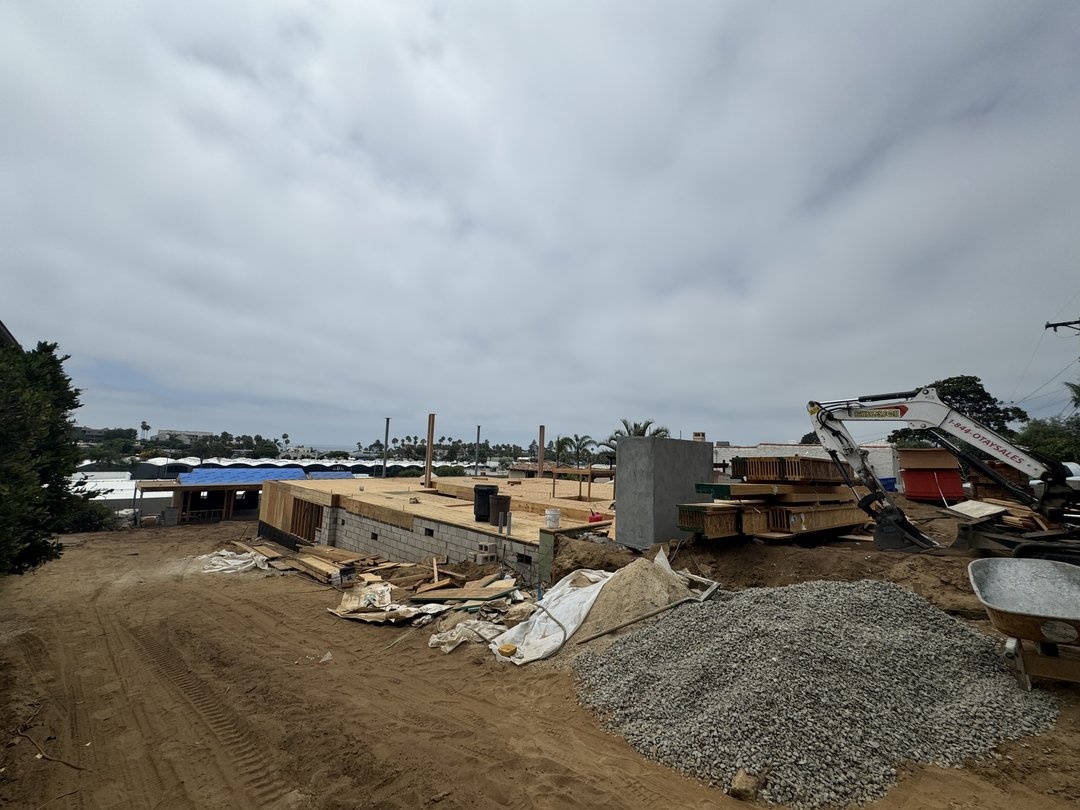
Here's what I've learned pulling permits across San Diego County for years:
- Pre-conference with a planner. A 30-minute paid pre-application meeting can flag zoning issues before you spend money on full plan sets.
- Consolidate trades. Combining plumbing, electrical, and structural under one permit (when allowed) avoids multiple issuance fees.
- Get Title 24 right the first time. Most resubmission cycles trace back to incomplete energy compliance docs. A qualified energy consultant saves money.
- Ask about fee waivers. ADUs under 750 sq ft often qualify for impact fee waivers. Green building features can sometimes trigger reduced fees.
- Submit complete plans. The number one cause of delay is incomplete submissions. Missing sheets, unsigned forms, or missing Title 24 calcs will bounce you.
What Other Contractors Won't Tell You About San Diego Building Permits
Most contractors quote you the base permit fee and stop there. Here's what's usually left out:
- Resubmission fees add up. Every time your plans fail review, you pay a partial fee to look at them again. Three cycles is not unusual for first-time submitters.
- Title 24 isn't optional. Even a "simple" bathroom remodel in 2026 needs an energy compliance document if you're changing windows, insulation, or lighting.
- School fees hit remodels too. If your addition exceeds 500 sq ft, you may owe school impact fees even on a remodel, not just new builds.
- Coastal Zone adds months. Properties in the Coastal Zone need a separate California Coastal Commission review. Inland projects skip this entirely.
Get Your San Diego Building Permit Done Right
If you're planning a remodel and need a san diego building permit pulled correctly the first time, I'd love to help. At Cali Dream Construction, I handle the entire process, from initial jurisdiction confirmation through final inspection sign-off. Call me at (858) 434-7166 or reach out for a consultation. We're owner-led, fully licensed (CSLB #1054602), and we pull permits weekly across San Diego County.
Want to compare countertop options for your kitchen remodel? Read our guide on Quartz vs Granite Countertops: A Contractor's Practical Recommendation.
Ready to Start Your Project?
I'm Fares Azani, owner of Cali Dream Construction, a San Diego County general contractor (CSLB #1054602). We'd love to help with yours.
Or request an estimate online | License CSLB #1054602