# Open-Concept Remodel or Better Rooms? When Removing Walls Actually Makes Sense
Seed copy
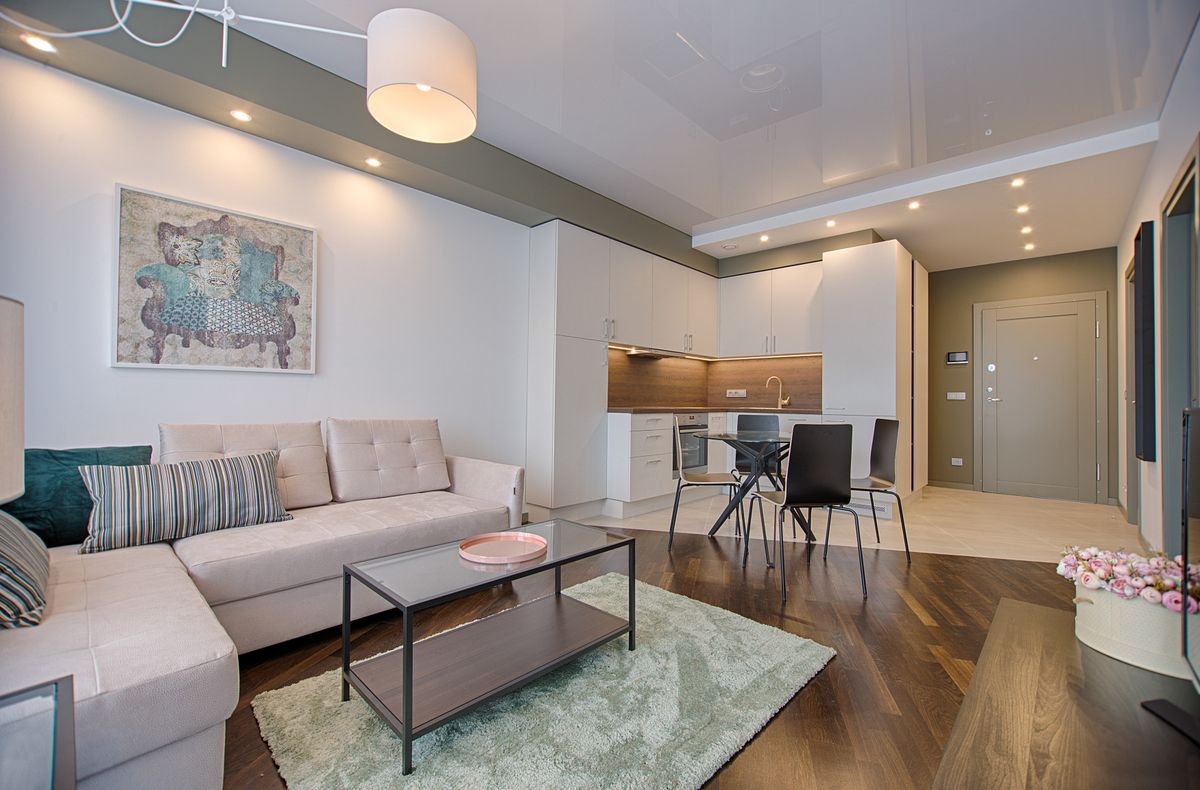
“Open concept” became so popular that many homeowners assume removing walls is automatically the upgrade. Sometimes it is. Sometimes it is the most expensive way to solve the wrong problem. The real question is not whether walls are outdated. The real question is how the home needs to function: sight lines, daylight, noise control, storage, furniture placement, cooking mess, family routines, and whether the house needs visual connection or better-defined zones.
In some homes, opening the kitchen to the main living area creates a major lift. The room gets brighter, circulation improves, and the home feels more social. In other homes, removing a wall creates new compromises: less storage, less acoustic control, harder furniture planning, or a kitchen that is always on display. Structural complexity matters too. A layout change is not just a style move; it affects beams, utilities, and the sequence of work.
A smart design and construction conversation usually starts with how the household lives now. Where does congestion happen? Where does the home feel closed off? Where does it already work? Sometimes the answer is a full opening. Sometimes it is a wider opening, better sight lines, a relocated island, or a more strategic room connection that preserves useful boundaries. The best projects are driven by function and feel, not just trend language.
This article should reassure homeowners that “not every wall must come down” is not a conservative answer; it is a thoughtful one. It should explain the functional tradeoffs of openness, show when structural work is worth it, and position Cali Dream as a team that redesigns around how the house works rather than blindly chasing one popular layout idea.
Recommended structure
- Why open concept is not automatically the right answer
- What openness improves when the house is fighting itself
- What openness can make worse
- Structural and utility realities behind wall removal
- Alternatives to full wall removal
- How to decide with function, light, and daily life in mind
CTA direction
Invite the reader to review their current floor plan and identify where the house is actually failing them.
Claude completion instructions
- Expand this seed into a polished homeowner-facing article.
- Keep the same topic, headline intent, and metadata unless you discover a clearly better version.
- Use only real internal links that exist on the Cali Dream site.
- Use the included local image file as the featured image.
- Add one useful pull-quote or highlighted takeaway only if it is original copy, not a fake testimonial.
- Do not invent review counts, awards, prices, or permit requirements.
- If you mention city-specific rules, verify them against official sources before publish.
- Remove any sentence that sounds templated, generic, or AI-fluffy.
- End with a direct service CTA pointing to Cali Dream, not financing content.
Ready to Start Your San Diego Remodel?
Request in-person project planning from our licensed general contracting team. CSLB #1054602.
Request planning session(858) 434-7166
Next Cost And Scope Planning
Use these related guides and project examples to turn the topic above into a realistic budget, scope, and permit plan.