By Cali Dream Construction | April 29, 2026 | CSLB #1054602
Water damage is one of the most common and most costly problems San Diego homeowners face. While San Diego is known for its dry climate, the region experiences periodic heavy rains, and homes are still vulnerable to plumbing failures, appliance leaks, roof leaks, and poor drainage. When water damage occurs, acting quickly and hiring the right contractor to repair it correctly is critical to protecting your home's structure and your family's health.
Common Causes of Water Damage in San Diego Homes
Plumbing Failures
Burst pipes, slow leaks behind walls, failed supply lines to dishwashers and washing machines, and deteriorating drain lines are the most frequent causes of interior water damage. Homes built before 1980 with galvanized steel pipes are particularly susceptible as these pipes corrode from the inside over time.
Roof Leaks
San Diego's intense sun degrades roofing materials over time. When heavy rain arrives, compromised areas leak. Common problem spots include around roof penetrations (vents, skylights, chimneys), in valleys where roof planes meet, and at flashing transitions between the roof and walls.
Poor Exterior Drainage
Improper grading around the foundation allows rainwater to pool against the house. Over time, this saturates the soil and moisture migrates through the slab or foundation walls into the interior. Many older San Diego homes have inadequate drainage systems that were never designed for heavy rain events.
Appliance Failures
Water heaters, dishwashers, washing machines, and refrigerator ice makers are all common sources of water damage. A water heater failure in a garage can send hundreds of gallons into the home. Supply line failures behind washing machines are a leading cause of homeowner insurance claims.
Bathroom Failures
Failed shower pan waterproofing, deteriorated grout and caulk, and toilet seal failures cause slow, persistent water damage that often goes undetected for months or years. By the time visible signs appear, structural damage may already be significant.
Signs of Water Damage in Your Home
Early detection reduces repair costs significantly. Watch for these warning signs:
Stains on ceilings or walls: Yellow or brown discoloration typically indicates water intrusion from above.
Bubbling or peeling paint: Moisture behind walls pushes paint away from the surface.
Warped or buckling flooring: Hardwood and laminate floors are particularly sensitive to moisture.
The first priority is always stopping the source of water. This might mean shutting off a water supply valve, tarping a roof, or addressing a drainage issue. Until the source is stopped, drying and repairs are pointless.
Step 2: Assessment and Documentation
A thorough assessment determines the full extent of the damage. This includes moisture testing with specialized meters to identify affected areas that may not be visible. If you are filing an insurance claim, detailed documentation with photos and moisture readings is essential.
Step 3: Water Extraction and Drying
Standing water is extracted using pumps and vacuums. Industrial dehumidifiers and air movers are then placed to dry the structure. Proper drying typically takes 3 to 5 days depending on the extent of saturation. Rushing this step leads to mold growth and ongoing problems.
Step 4: Demolition of Damaged Materials
Drywall, insulation, flooring, and other materials that have absorbed water and cannot be fully dried must be removed. Drywall that has been saturated loses its structural integrity and cannot simply be dried and repainted. Removing damaged materials also allows inspection of framing and structural components.
Step 5: Mold Remediation (If Needed)
If mold is present, proper remediation follows industry protocols. This includes containment of the affected area, HEPA filtration, removal of moldy materials, and treatment of remaining surfaces. In California, mold remediation over 100 square feet requires a licensed mold remediation contractor.
Step 6: Structural Repairs and Reconstruction
Once the structure is dry and clean, reconstruction begins. This includes replacing framing members if they are compromised, installing new insulation, hanging and finishing drywall, installing new flooring, and repainting. The goal is to return your home to its pre-damage condition or better.
Water Damage Repair Costs in San Diego
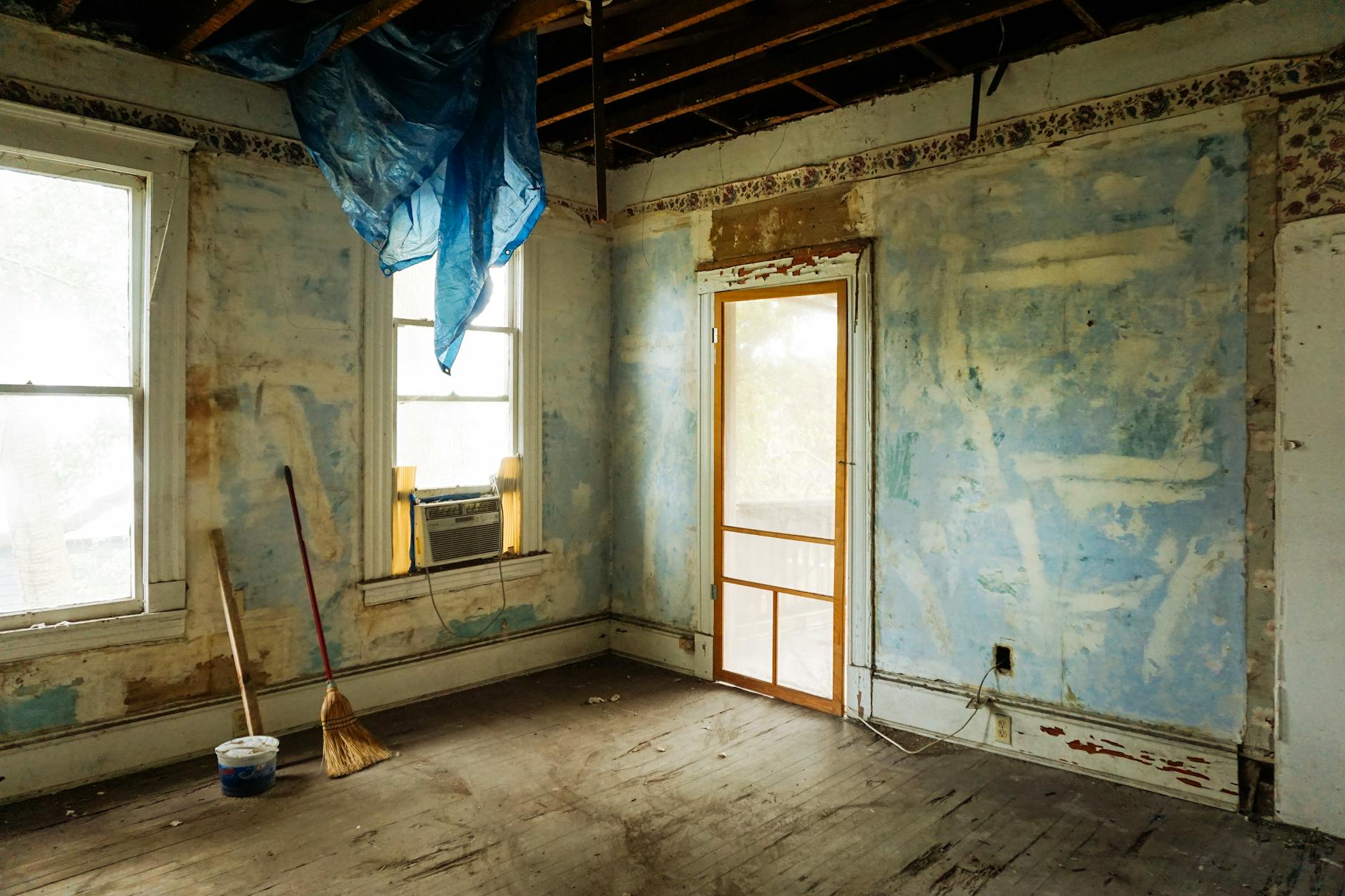
Photo by Monica Silvestre via Pexels
Costs vary widely based on the extent of damage:
Minor water damage (small area, caught quickly): $1,500 - $5,000
Moderate water damage (one room, some structural involvement): $5,000 - $15,000
Significant water damage (multiple rooms, mold present): $15,000 - $40,000
Major water damage (structural compromise, extensive mold): $30,000 - $80,000+
Working with Insurance on Water Damage Claims
Most homeowner insurance policies cover sudden and accidental water damage (like a burst pipe) but do not cover gradual damage from deferred maintenance (like a slow leak you ignored). When filing a claim:
Document everything with photos and video before any cleanup
Contact your insurance company promptly
Keep all damaged materials until the adjuster has inspected
Get a detailed estimate from a licensed contractor
Do not accept the first adjuster estimate if it does not cover the full scope of needed repairs
Cali Dream Construction provides complete water damage repair services throughout San Diego County. From initial assessment through full reconstruction, we restore your home to its pre-damage condition. Serving Carlsbad, Oceanside, Vista, San Marcos, Escondido, Encinitas, Del Mar, Poway, and all surrounding communities.
From San Diego's licensed contractors — CSLB #1054602
FOR CONTRACTORS & AGENCIES
Get All 6 Calculators On Your Site — $39 One-Time
Embed the full Remodeling Pro bundle (kitchen, bath, ADU, addition, garage, full remodel) on your own site. One payment, lifetime access. Same product Westlake Remodel uses.